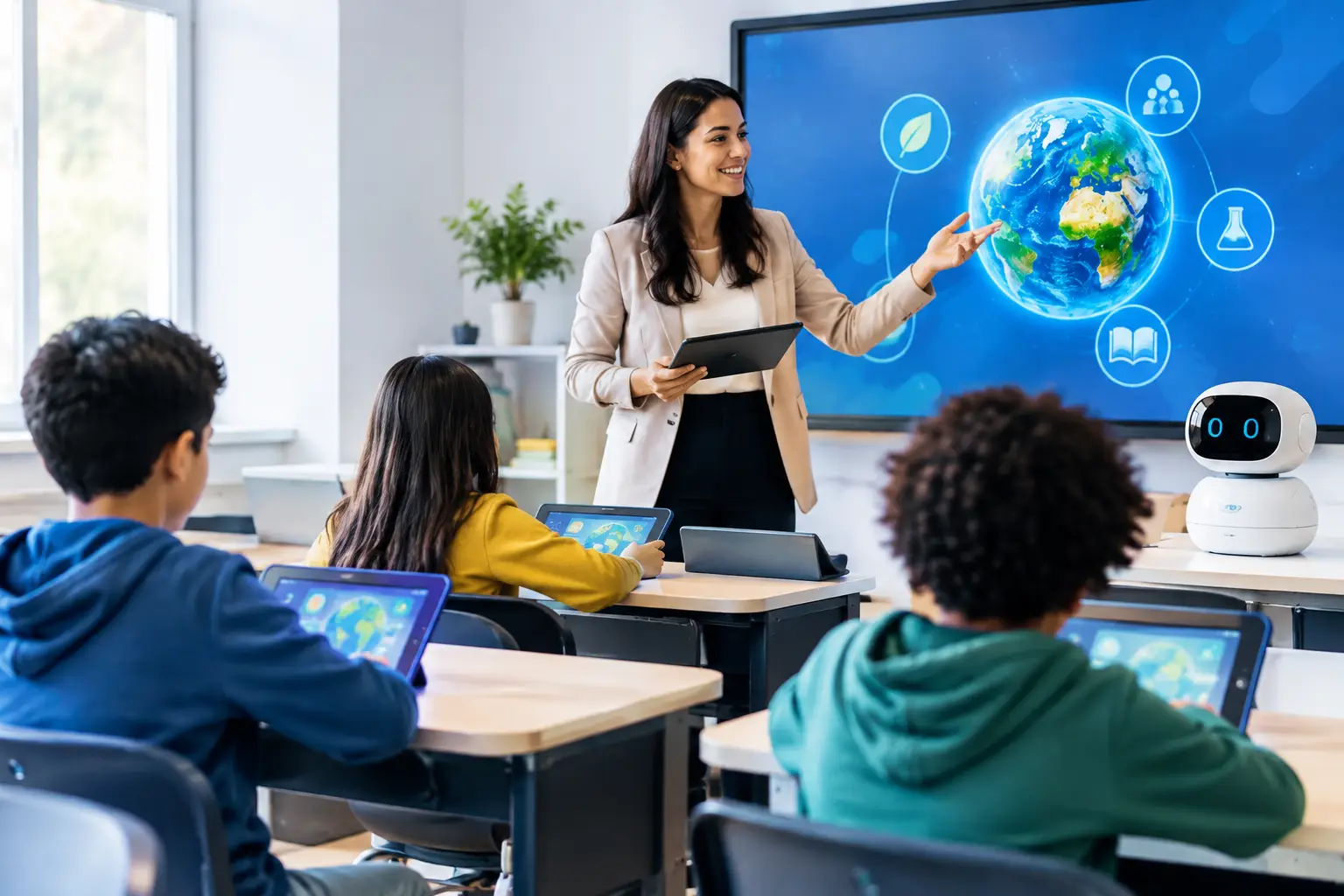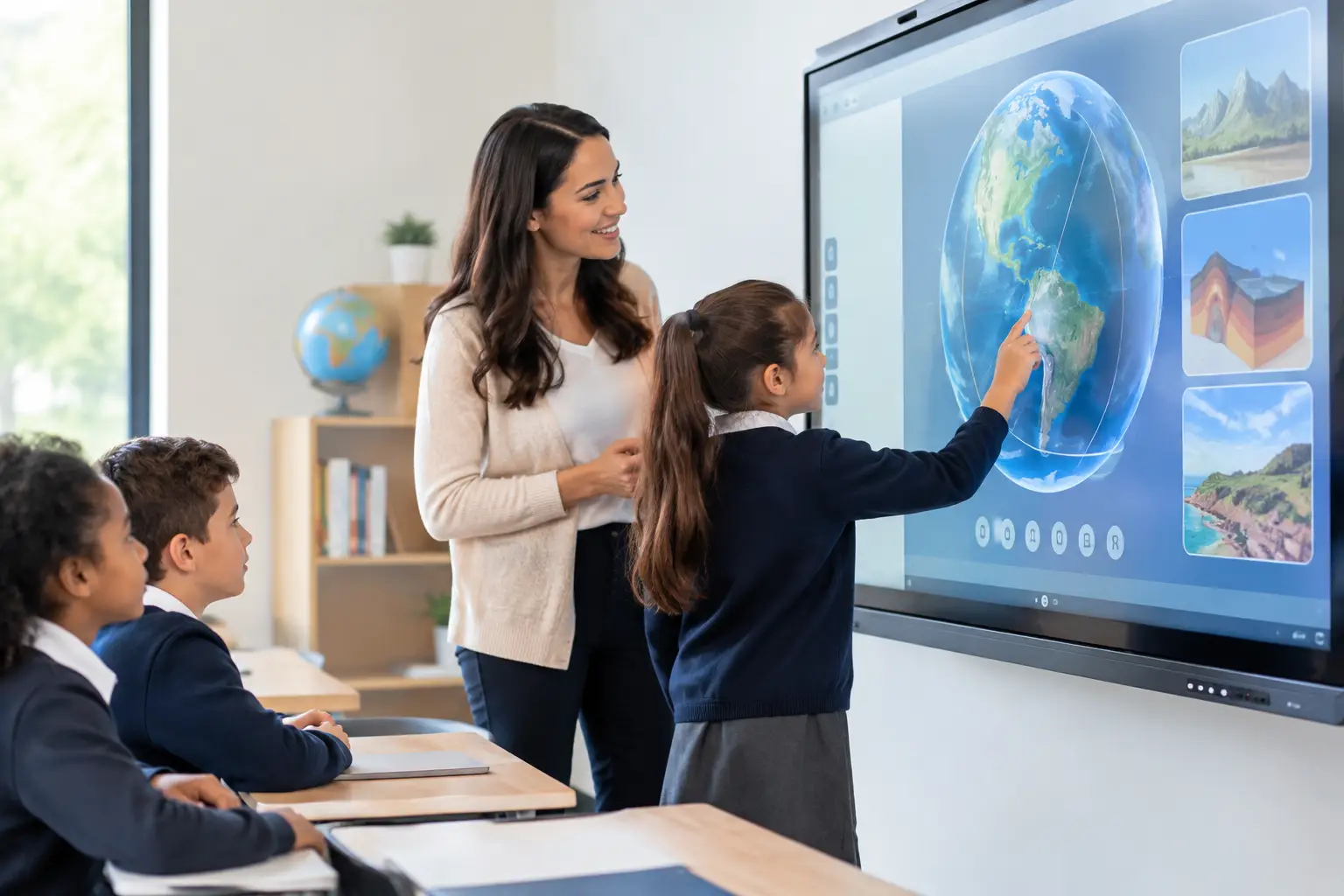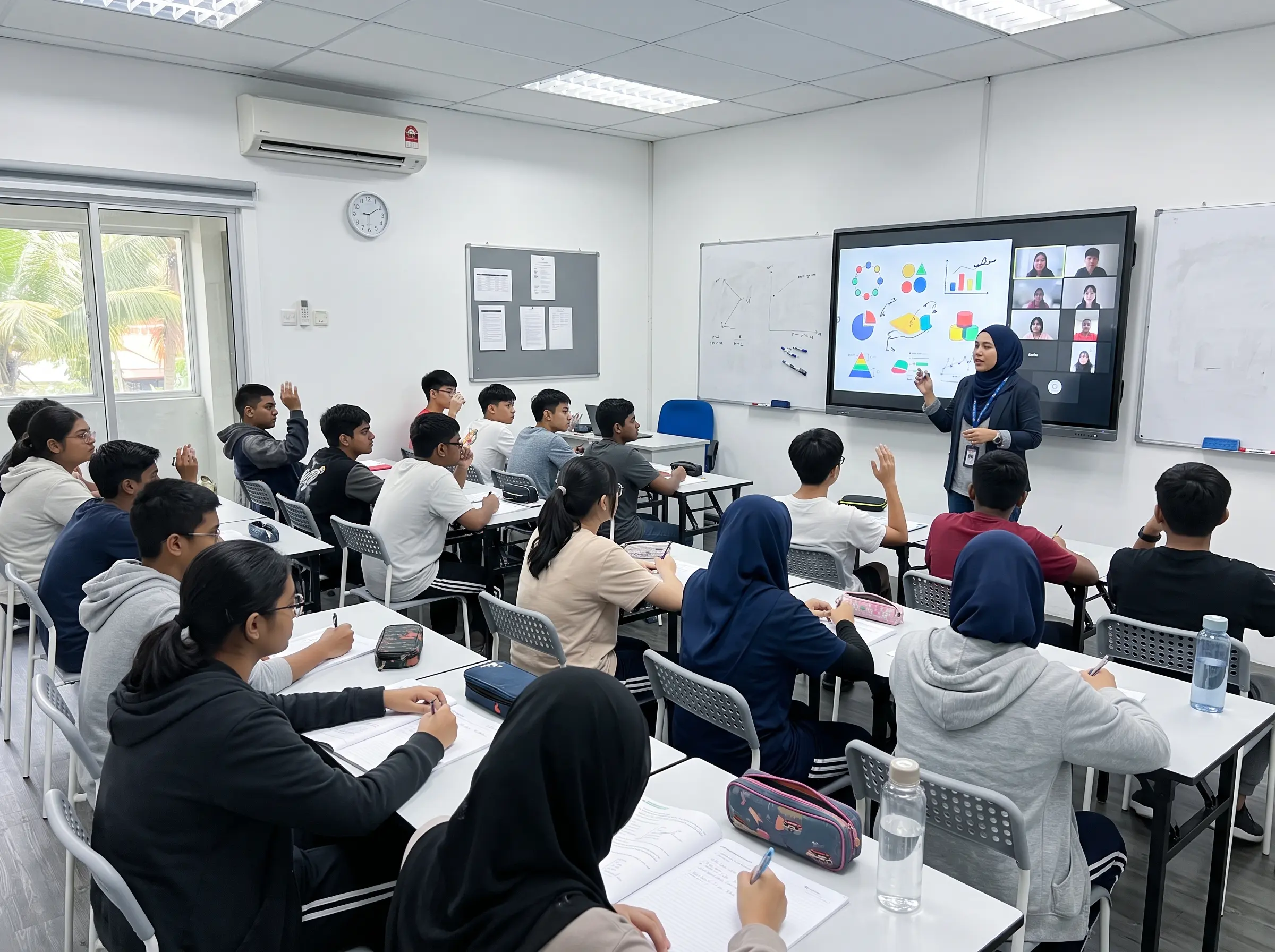

Education systems today are changing fast as digital tools become a core part of teaching and learning. Traditional classroom methods—whiteboards, printed worksheets, and basic projectors—often struggle to keep students engaged and teachers efficient. That is why many institutions are adopting Interactive Smartboard AI for Education: a touchscreen display combined with intelligent software that turns lessons into active, visual, and collaborative experiences.
Understanding the Benefits of Smartboard AI in the Classroom

An Interactive Smartboard AI lets teachers write, draw, and annotate directly on the screen while showing slides, videos, websites, and digital textbooks in one place. Instead of switching between devices, educators control the whole lesson from a single hub. This reduces setup time, prevents technical interruptions, and keeps the class focused on the topic rather than on equipment.
For students, the biggest difference is engagement. Concepts that feel abstract on paper—like science processes, geometry, or historical timelines—become easier to understand when students can see animations, diagrams, and step-by-step explanations. Teachers can highlight key points, zoom in to details, and rearrange content live. When students ask questions, the teacher can respond by annotating, sketching examples, or opening a relevant resource on the spot.
Interactive Smartboard AI also supports collaborative learning. With multi-touch capability, more than one student can interact with the board at the same time. This encourages group problem solving, peer discussion, and confident participation. Instead of only the loudest students answering, teachers can invite different learners to come forward, move objects, complete matching activities, or solve math steps together. Participation becomes a shared classroom habit, not a rare moment.
From a teaching perspective, the smartboard improves lesson flow and classroom management. Teachers can prepare materials earlier, organise pages by topic, and save annotated notes after class. These notes can be reused for other classes or shared with students who were absent. Over time, this builds a library of ready lessons and reduces repetitive writing. It also makes revision sessions easier because teachers can quickly revisit previous topics and show students exactly what was covered.
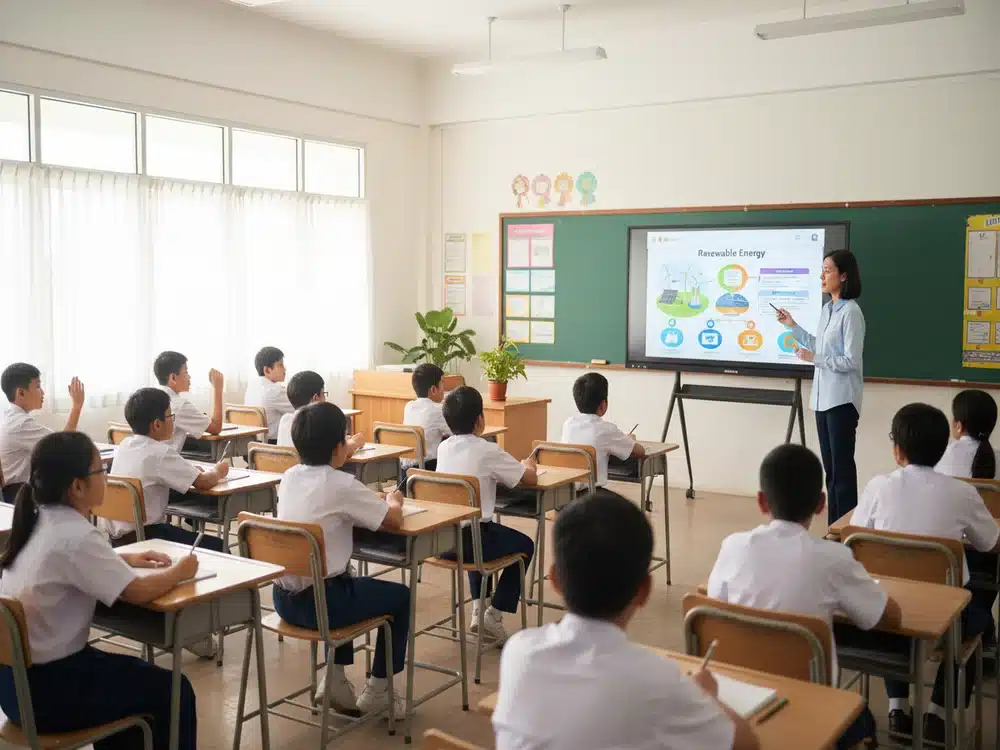
Assessment and feedback can be made faster too. Teachers can run short quizzes, brainstorming prompts, or problem-solving tasks on the screen, then discuss answers immediately. Visual feedback helps students spot mistakes and understand corrections without feeling embarrassed. Because content can be saved, teachers can track common errors and plan follow-up lessons that target real gaps.
Another strong benefit is alignment with 21st-century education goals. Students need digital literacy, communication skills, and critical thinking, not only memorisation. When learners interact with digital content, they practise navigating interfaces, collaborating respectfully, and presenting ideas clearly. Teachers can run quick in-class activities such as mind maps, mini debates using visual prompts, and short reflection exercises that students answer together.
Interactive Smartboard AI is flexible for different education levels. In primary schools, colourful visuals and touch activities keep young learners interested and help them build basic understanding. In secondary and tertiary settings, the same platform supports deeper work such as data visualisation, analysis of documents, and structured discussions. It is also useful for co-curricular programmes, language labs, and STEM workshops because it can display multiple resources quickly and support hands-on demonstrations and group activities.
Inclusivity matters as well. Teachers can enlarge text, use colour highlights for emphasis, and combine audio with visuals to support different learning needs. Students who are shy can contribute by interacting with the screen in small groups, while teachers can pace lessons more gently for mixed-ability classes. When everyone can see and participate, confidence rises and classroom behaviour often improves. This creates a fairer learning culture.
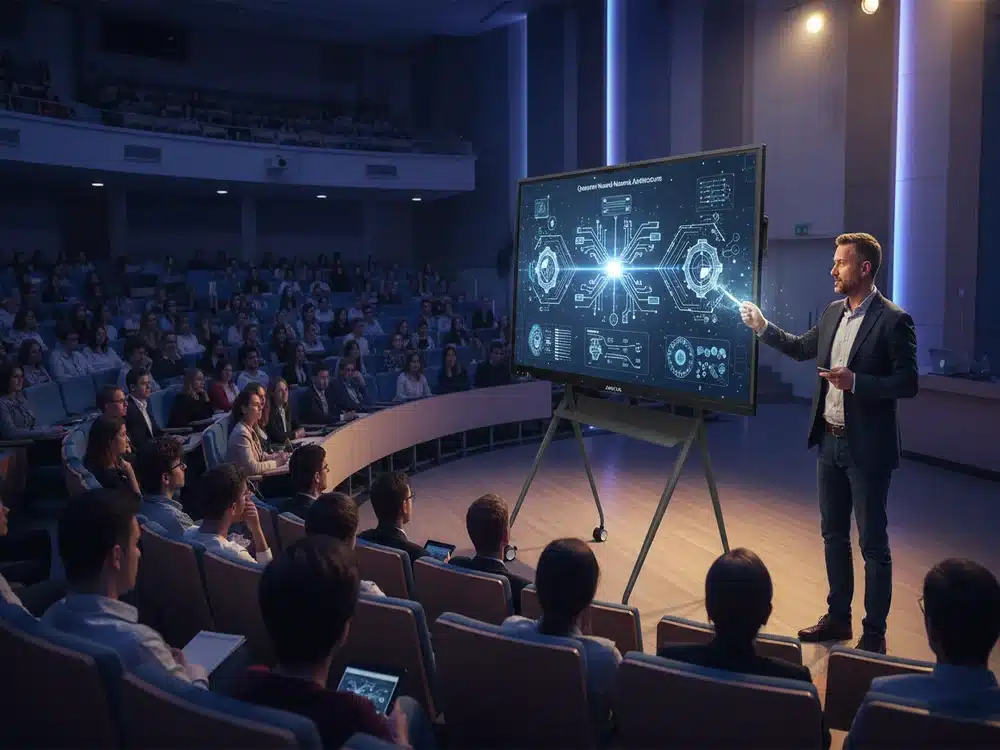
The smartboard AI fits well with blended learning too. As schools use online platforms, digital textbooks, and multimedia content, the smartboard becomes the front-of-class gateway to these resources. Teachers can demonstrate how to access materials, guide students through exercises, and integrate simulations to reinforce learning. This approach supports different learning styles—visual, auditory, and kinaesthetic—within the same lesson, including students who need clearer cues or extra repetition.
For administrators, Interactive Smartboard AI offers long-term value. A single, integrated system reduces dependency on separate devices and can often be updated through software improvements without changing the hardware. Schools may also reduce printing costs and improve consistency across classrooms when teachers share lesson templates. With proper training, educators gain confidence, and parents benefit from lesson delivery and stronger student outcomes.
In conclusion, Interactive Smartboard AI for Education is more than a modern display. It strengthens engagement, improves teaching efficiency, encourages collaboration, and supports digital readiness. For institutions aiming to build smarter classrooms and better learning outcomes, it is a practical, future-focused investment