
Hybrid learning and collaboration have become increasingly important as schools and institutions adapt to flexible learning environments. Situations such as remote classes, online discussions, and mixed attendance have created new challenges for teachers and students. Traditional tools often struggle to bridge the gap between physical classrooms and remote participants. To address this issue, many institutions are adopting Interactive Smartboard AI for Hybrid Learning as a practical and effective solution.
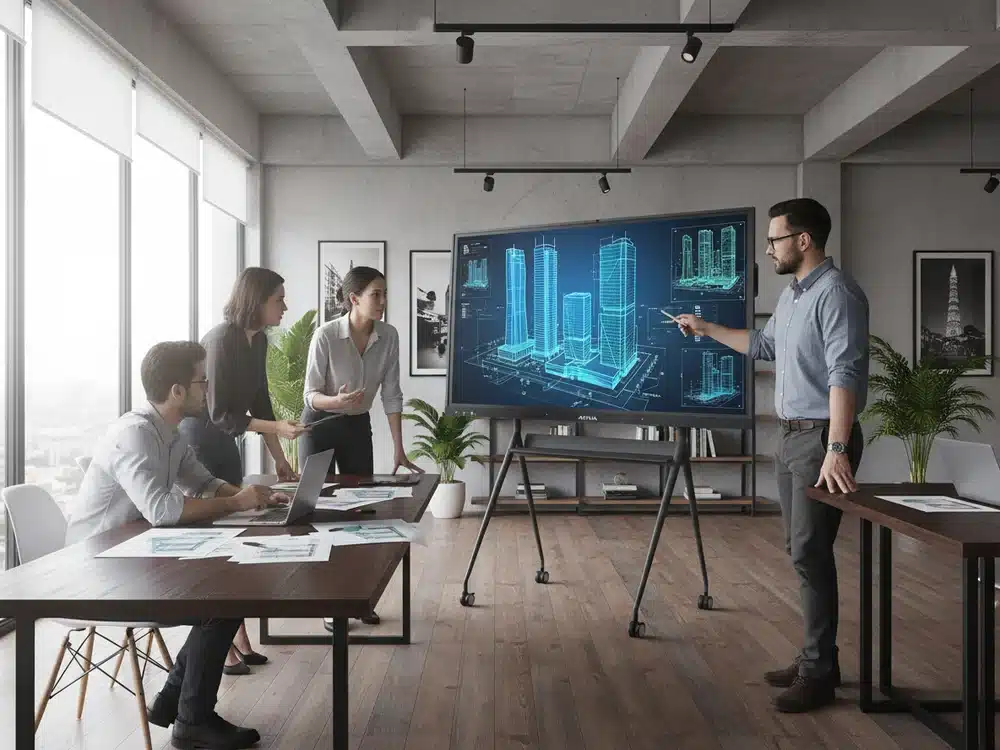
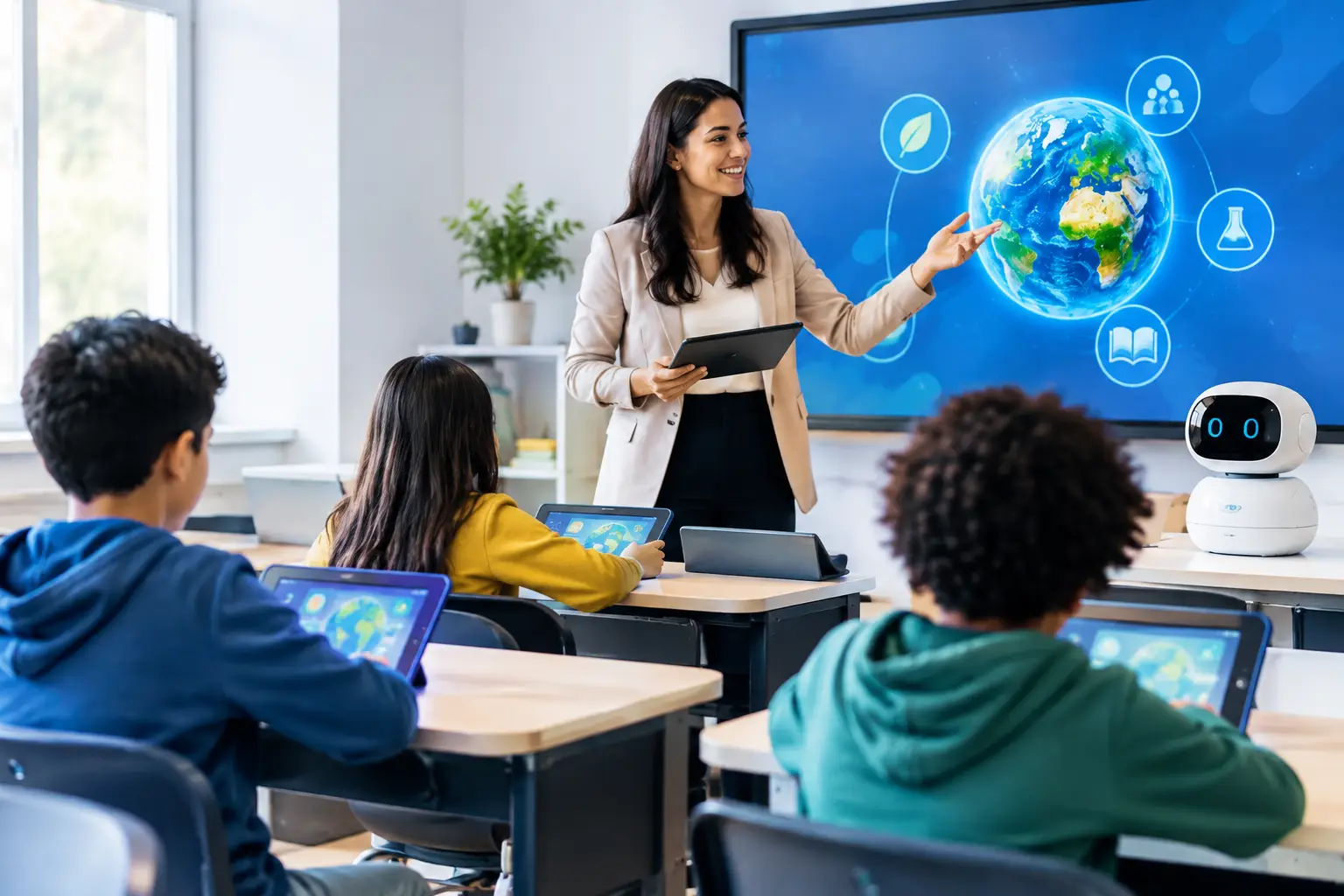
Interactive Smartboard AI is a large touchscreen display integrated with intelligent software that supports real-time interaction and digital collaboration. In hybrid environments, it acts as a central platform where teachers can deliver lessons to students in the classroom while simultaneously engaging remote learners. Content displayed on the smartboard can be shared clearly with all participants, ensuring consistency and clarity.
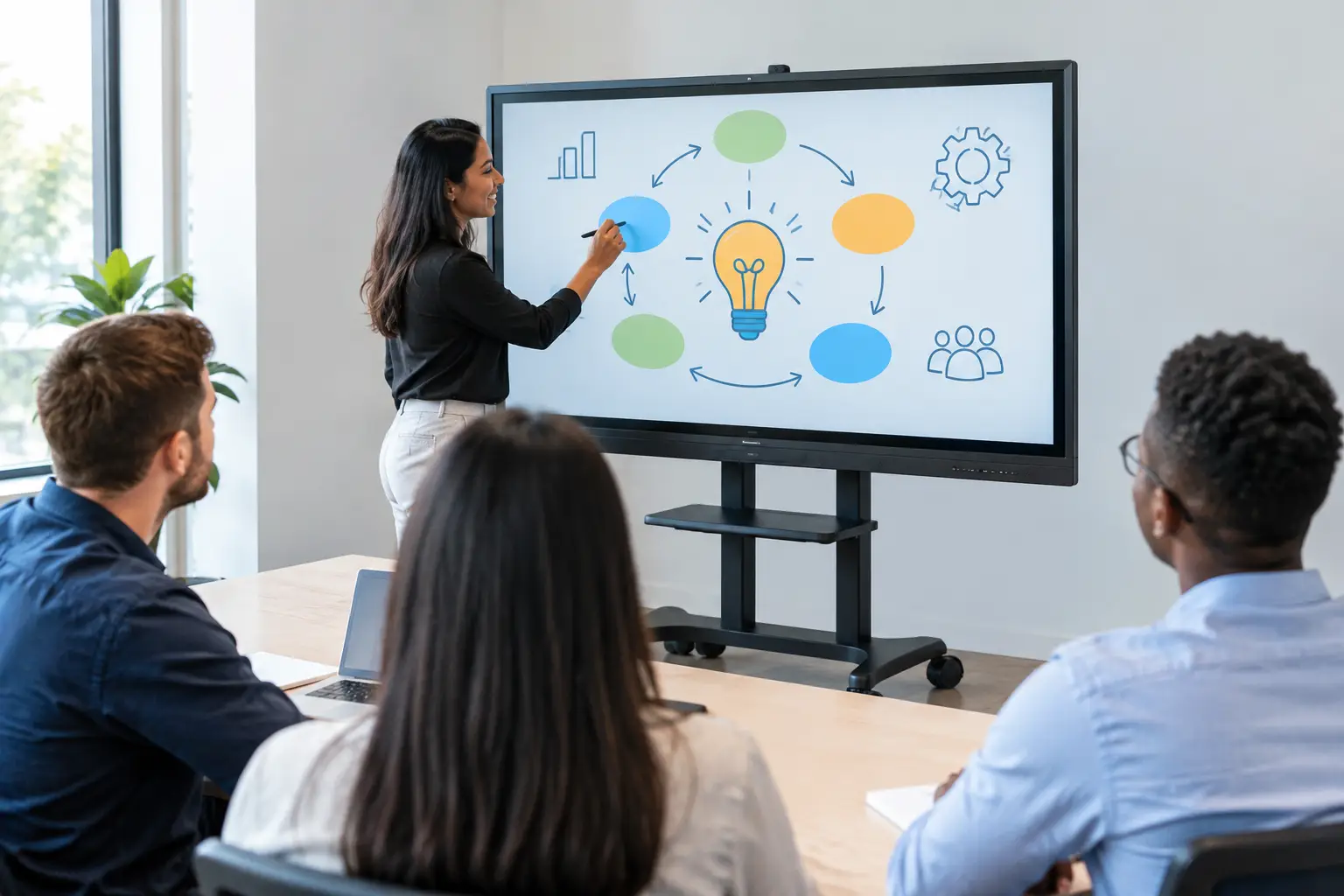
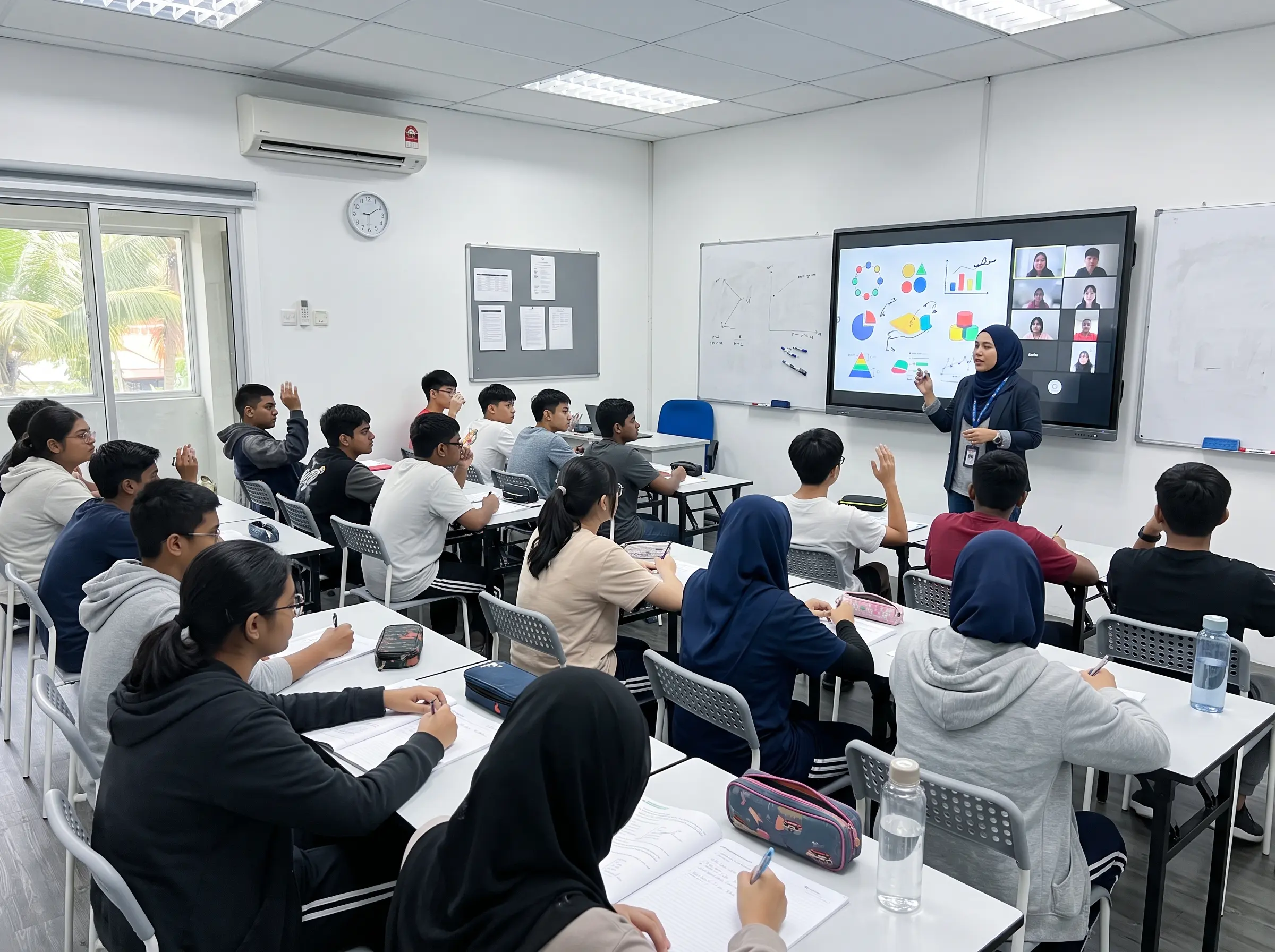
One of the biggest challenges in hybrid learning is maintaining equal engagement for both on-site and remote students. Without proper tools, remote learners may feel disconnected or left behind. Interactive Smartboard AI helps solve this problem by enabling visual and interactive lesson delivery. Teachers can write, draw, annotate, and explain concepts live, while remote students follow the same content through connected platforms.
Interactive Smartboard AI also supports seamless content sharing. Teachers can display presentations, videos, diagrams, and digital resources on one screen, reducing the need to switch between devices. This keeps lessons structured and prevents interruptions that can disrupt learning flow. Remote participants benefit from clear visuals and structured explanations that mirror the classroom experience.
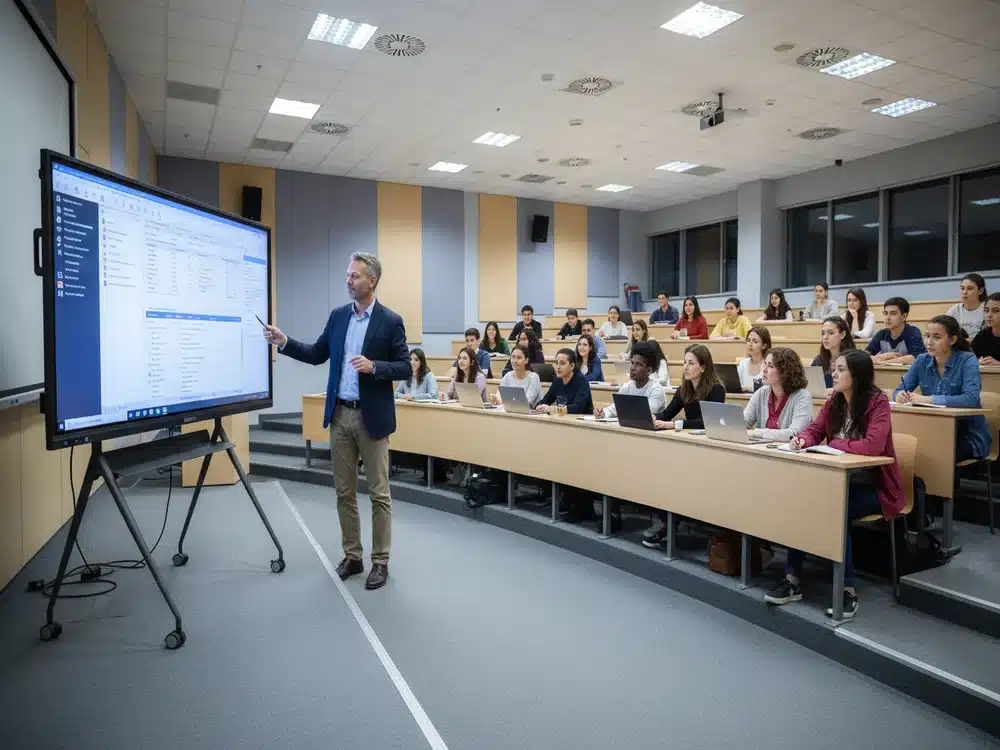
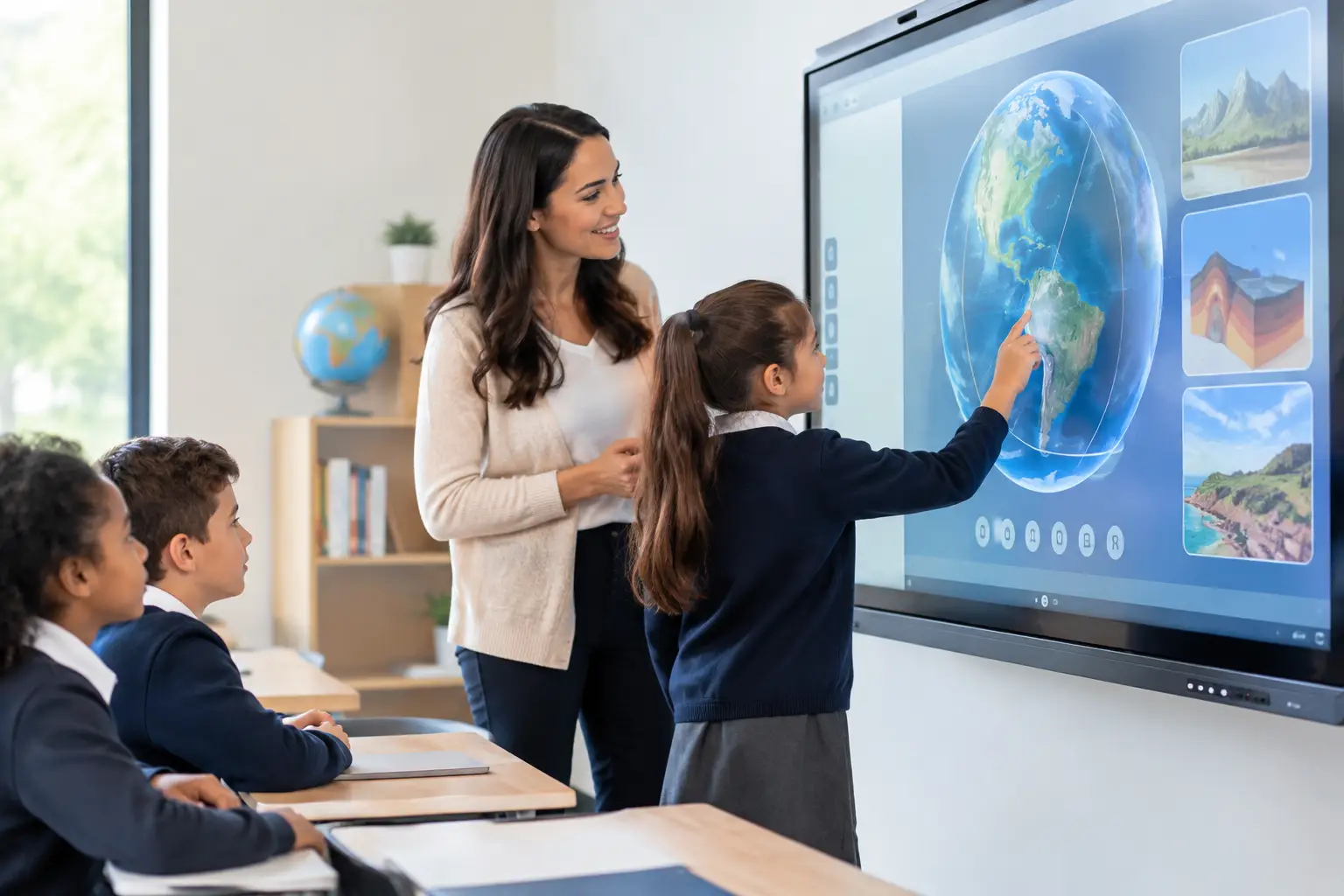
Collaboration is another key advantage of Interactive Smartboard AI in hybrid environments. With multi-touch functionality and interactive tools, students in the classroom can participate directly on the board, while teachers facilitate discussions that include remote learners. Group activities can be guided visually, allowing all students to contribute ideas and solutions, regardless of location.
From a teaching perspective, Interactive Smartboard AI improves lesson control and flexibility. Teachers can adapt lesson pace based on student responses and questions from both on-site and remote participants. If clarification is needed, teachers can annotate diagrams or revisit key points instantly. This responsiveness enhances understanding and reduces confusion among learners.
Interactive Smartboard AI is suitable for various hybrid learning scenarios. In schools, it supports mixed-attendance classes where some students are present physically while others join remotely. In training centres, it enables workshops that include participants from different locations. This flexibility ensures continuity of learning even when physical attendance is limited.
Another important benefit is improved communication. Interactive Smartboard AI helps teachers maintain eye contact with classroom students while presenting content clearly to remote learners. Visual cues, highlighted notes, and structured layouts improve comprehension for everyone involved. This balanced communication approach strengthens teacher-student interaction across different learning modes.
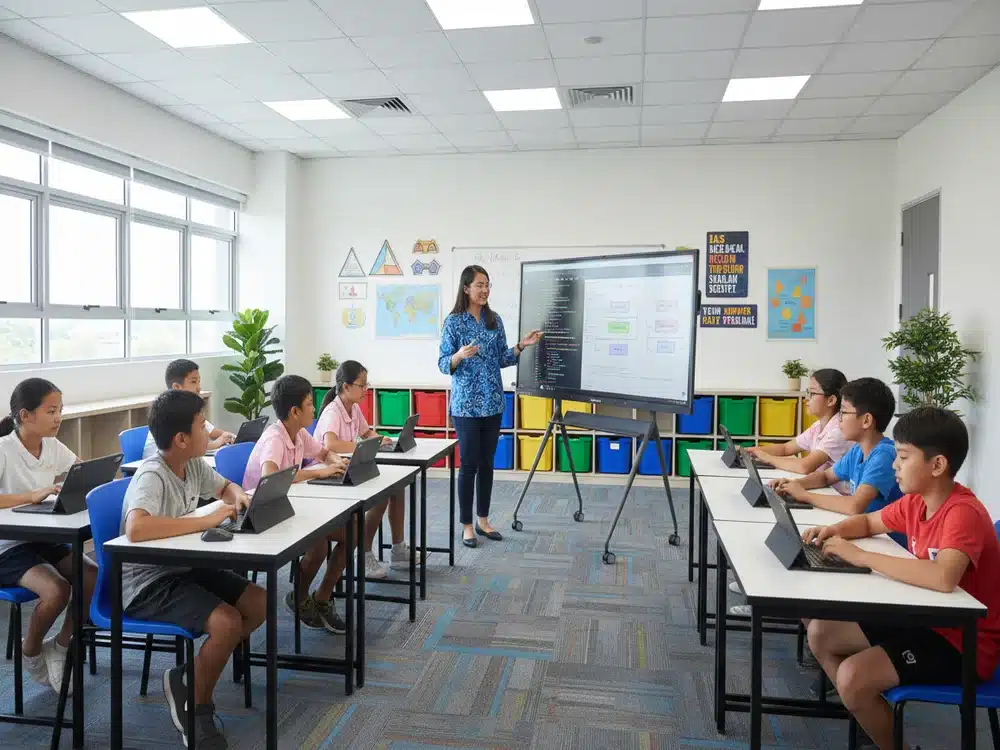
Hybrid learning also requires efficient classroom management. Interactive Smartboard AI reduces complexity by integrating multiple functions into a single system. Teachers no longer need separate tools for writing, projecting, and sharing content. This simplification minimises technical issues and allows lessons to run smoothly, even in mixed learning environments.
Interactive Smartboard AI also supports digital literacy development. Students learn how to engage with digital content, follow online instructions, and collaborate using modern tools. These skills are increasingly important in higher education and future workplaces. Hybrid learning environments that use smartboard technology help students adapt to digital communication and collaboration more confidently.
For administrators, Interactive Smartboard AI offers long-term value and scalability. Software updates allow the system to support new learning platforms and collaboration tools over time. This ensures that schools and institutions remain adaptable as hybrid learning models continue to evolve. Investment in smartboard technology supports sustainable digital education strategies.
In conclusion, Interactive Smartboard AI for Hybrid Learning is a powerful solution that connects physical classrooms with remote participants. It enhances engagement, improves communication, and supports collaborative learning across different environments. By adopting this technology, institutions can deliver consistent, inclusive, and effective learning experiences in an increasingly flexible education landscape