For decades, traditional whiteboards have been a central tool in classrooms around the world. Teachers rely on markers and handwritten notes to explain lessons, while students copy information into their books. Although this method has served education well in the past, modern learning environments now demand greater engagement, clarity, and flexibility. As schools move toward digital transformation, many educators are comparing Interactive Smartboard AI with traditional whiteboards to determine which option better supports today’s teaching and learning needs.
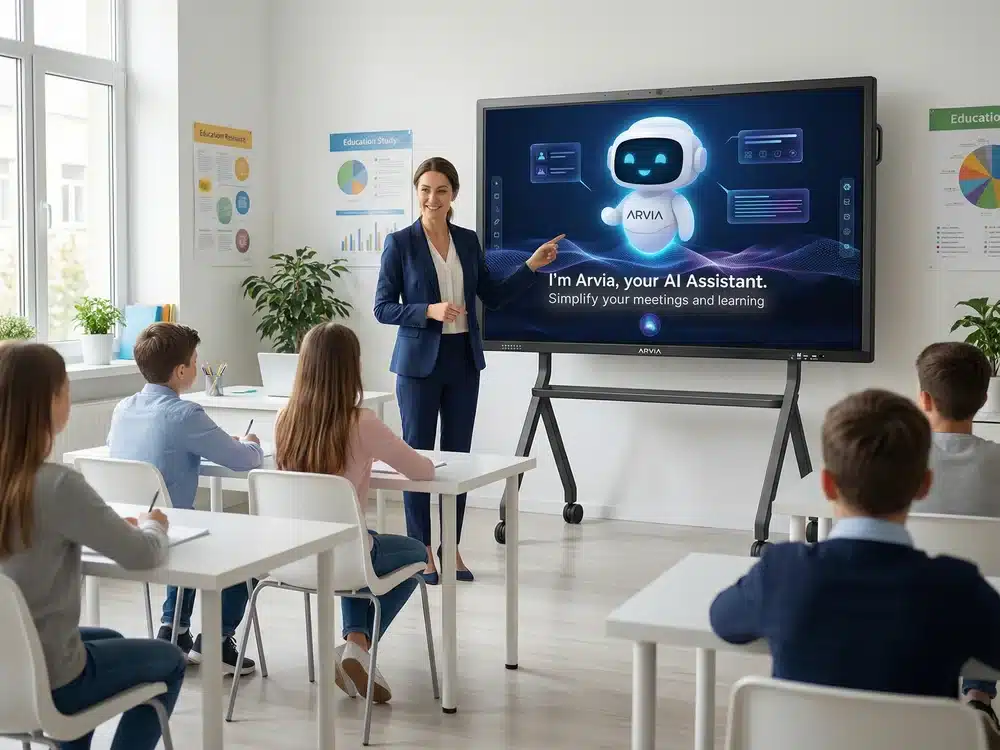
A traditional whiteboard is simple and familiar. Teachers write notes manually, erase content, and repeat the same process for every class. While this approach requires minimal technology, it has several limitations. Content cannot be saved, shared, or reused easily. Once the board is erased, valuable explanations and examples are lost. Students who miss a lesson or struggle to keep up have no visual reference to revisit later.
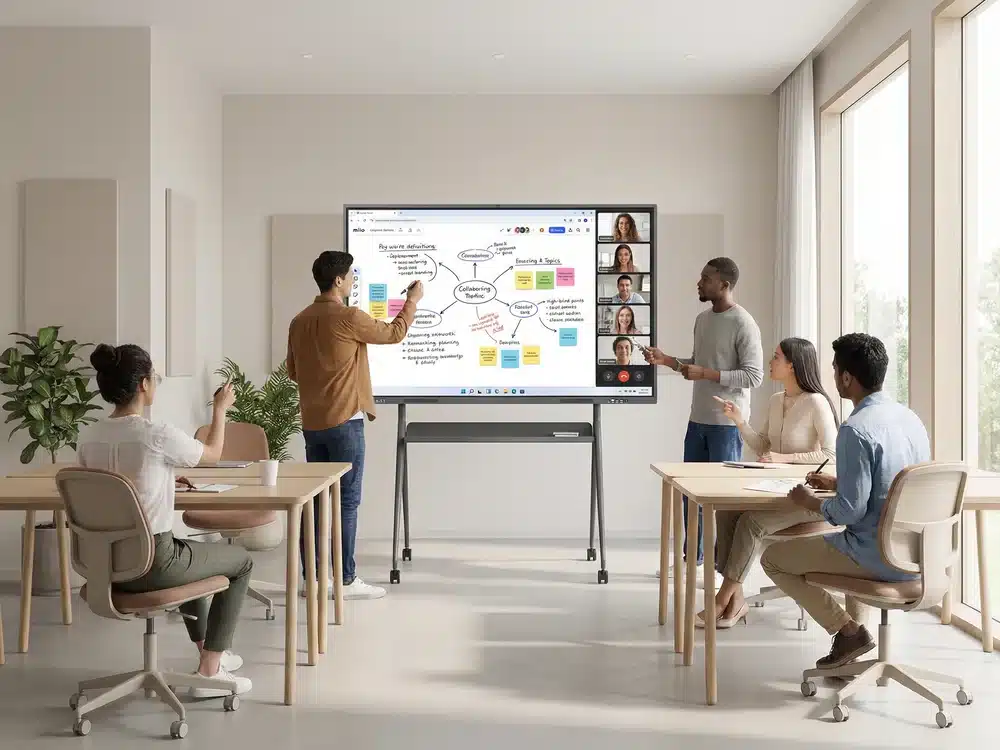
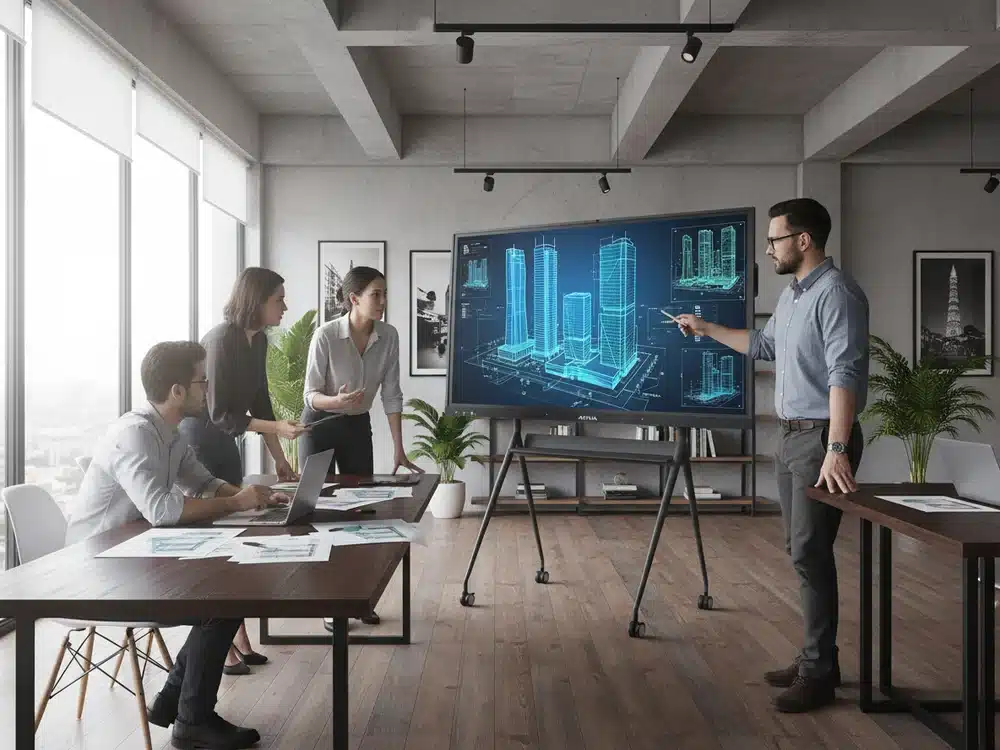
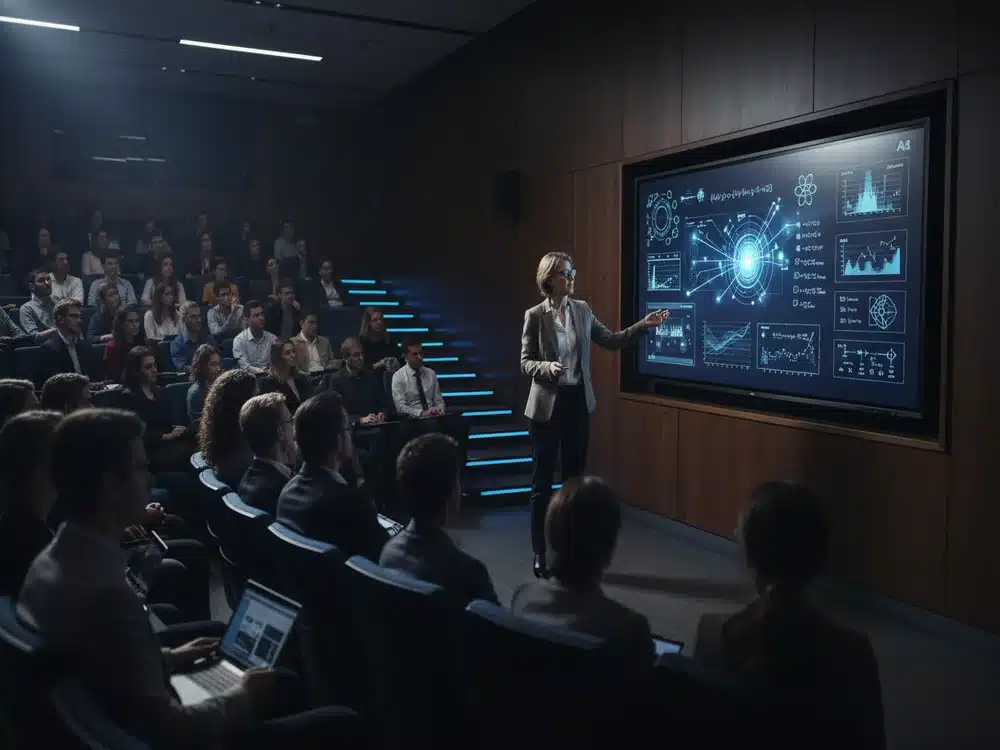
Interactive Smartboard AI, on the other hand, transforms the classroom into a dynamic digital environment. It combines a large touchscreen display with intelligent software, allowing teachers to write, draw, annotate, and display multimedia content on one platform. Lessons become more visual and interactive, helping students understand concepts more effectively. Instead of relying only on text, teachers can use images, videos, diagrams, and animations to explain ideas clearly.
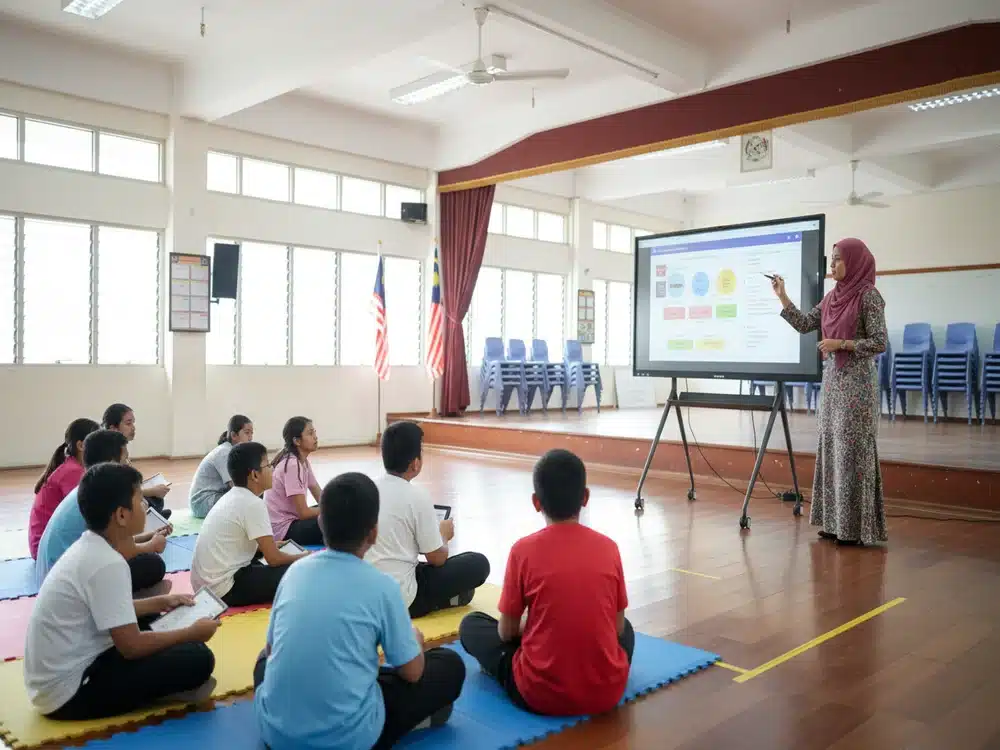
One major difference between the two tools is student engagement. Traditional whiteboards often encourage passive learning, where students listen and copy notes. Interactive Smartboard AI encourages active participation. With touch interaction, students can come forward to solve problems, move objects, or complete exercises directly on the screen. This hands-on approach increases attention, builds confidence, and supports collaborative learning among students.
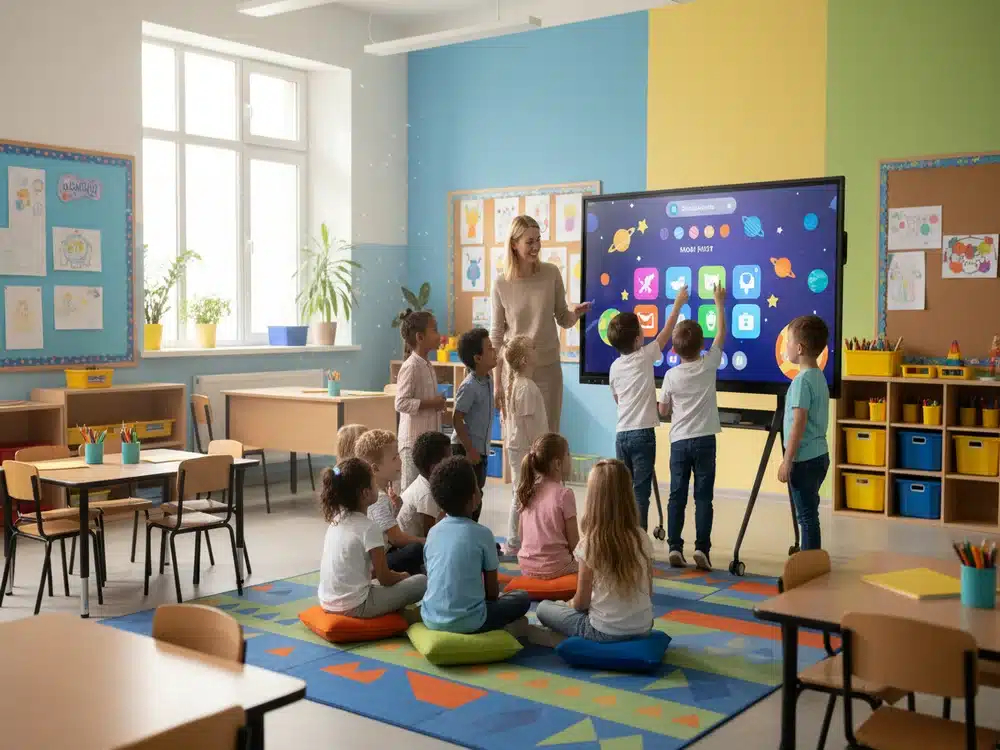
From a teaching efficiency perspective, Interactive Smartboard AI offers clear advantages. Teachers can prepare lesson materials in advance and access them instantly during class. Notes written on the smartboard can be saved and reused for other classes or revision sessions. In contrast, traditional whiteboards require teachers to rewrite the same content repeatedly, which consumes time and energy.
Another important factor is clarity and accessibility. On a traditional whiteboard, handwriting quality can vary, and students seated far from the board may struggle to see clearly. Interactive Smartboard AI provides a high-resolution display with adjustable text size and colour highlights. Teachers can zoom in on details, ensuring all students can follow the lesson regardless of seating position.
Interactive Smartboard AI also supports different learning styles. Visual learners benefit from images and diagrams, auditory learners from videos and audio content, and kinaesthetic learners from touch-based interaction. Traditional whiteboards mainly support visual text-based learning, which may not suit all students equally. Inclusive classrooms require tools that cater to diverse learning needs, making smartboard technology a more flexible option.
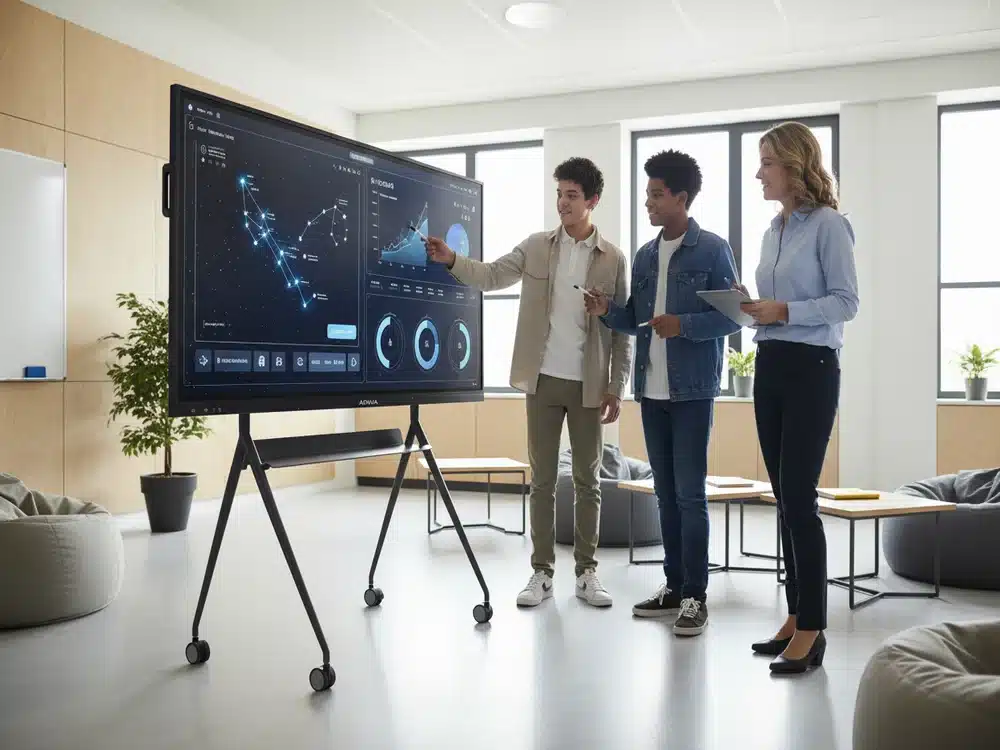
In terms of classroom organisation, Interactive Smartboard AI reduces dependence on multiple devices. Teachers no longer need separate projectors, speakers, or printed materials. Everything is integrated into one system, minimising technical disruptions and helping lessons run smoothly. Traditional whiteboards, while simple, often require additional tools to support multimedia teaching.
Cost is often raised as a concern when comparing these tools. Traditional whiteboards are cheaper initially, but they offer limited long-term value. Interactive Smartboard AI represents a higher upfront investment, yet it delivers greater returns over time through improved teaching efficiency, reduced printing costs, and enhanced learning outcomes. Software updates can also extend functionality without replacing hardware.
In conclusion, while traditional whiteboards remain familiar and simple, they no longer meet the demands of modern education on their own. Interactive Smartboard AI offers a more engaging, flexible, and future-ready solution for schools. By supporting visual learning, collaboration, and digital literacy, smartboard technology provides clear advantages for classrooms preparing students for a digital world.