
In an era where speed, convenience, and automation define customer expectations, businesses across all industries are adopting digital transformation tools to stay competitive. One of the most impactful technologies leading this shift is the Interactive Kiosk. Whether it’s for self-registration, ticketing, payment, wayfinding, or information display, interactive kiosks are becoming a standard solution for modern organisations. Among the various types available, the Horizontal Kiosk is gaining significant attention thanks to its unique design and user-friendly interface.
What Is an Interactive Kiosk?
An Interactive Kiosk is a standalone digital touchscreen device that allows users to interact with software applications for a variety of self-service functions. Unlike traditional customer service counters or printed directories, kiosks streamline processes by providing instant access to information and services. This reduces human dependency, minimizes waiting times, and enhances operational efficiency.
Interactive kiosks come in different shapes and configurations — including vertical kiosks, tabletop kiosks, wall-mounted kiosks, and horizontal kiosks, each designed to meet specific use cases.
Understanding the Horizontal Kiosk
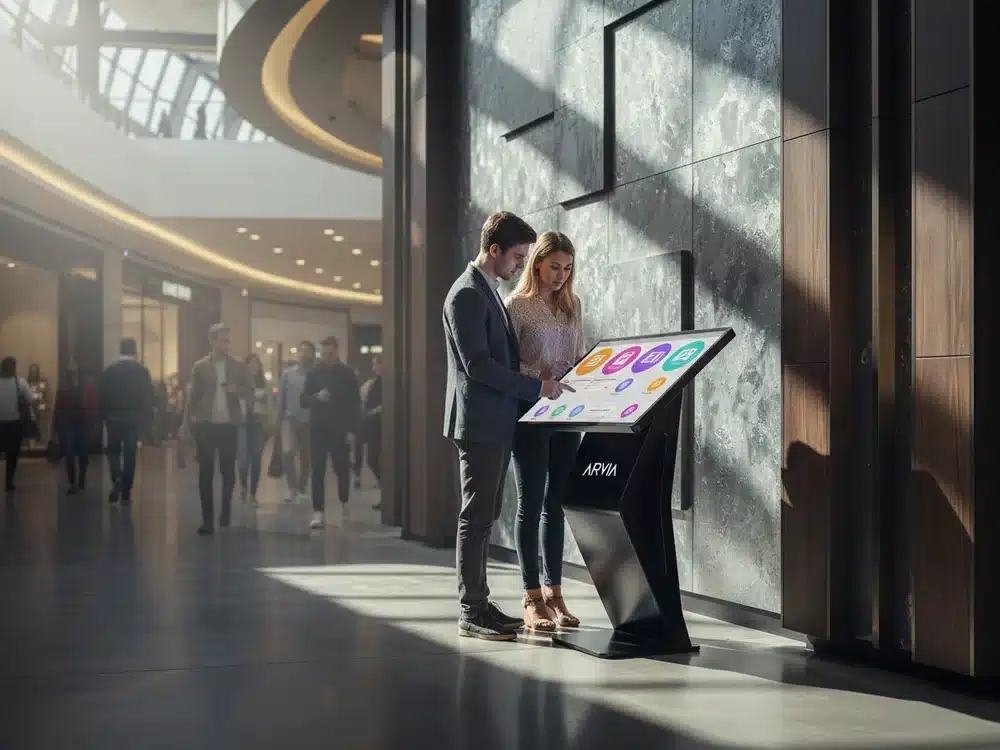
A Horizontal Kiosk is a kiosk designed with a slanted or flat touchscreen surface, similar to a digital table. This layout makes it incredibly intuitive for users, as it allows for natural hand placement, comfortable viewing angles, and seamless touch interaction. Horizontal kiosks are commonly used for applications that require deep engagement, such as:
-
Product browsing
-
Real estate digital catalogs
-
Menu ordering
-
Tourist information systems
-
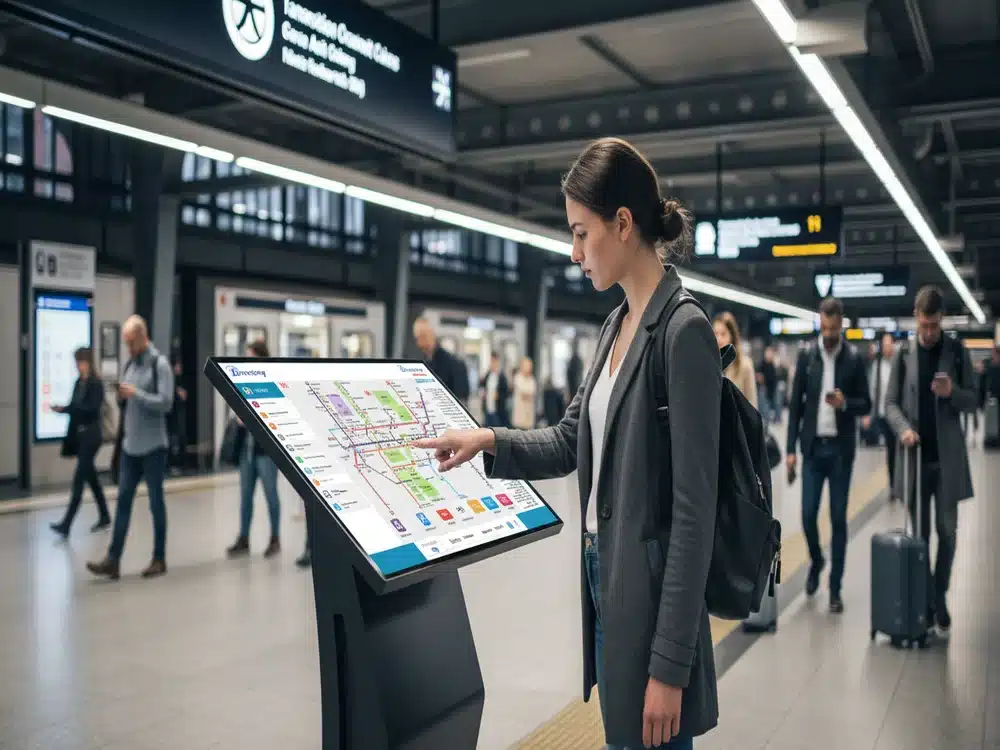
Interactive directories
-
Educational presentations
-
Museum and exhibition displays
This kiosk type is especially popular in environments where multiple users may gather around the screen to explore content together.
Why Businesses Are Adopting Interactive Kiosks
The rise of the Interactive Kiosk is driven by growing customer demand for speed and autonomy. Here are key reasons companies implement kiosks:
1. Faster and More Efficient Service
Customers no longer want to wait in long lines. Kiosks allow them to complete transactions quickly and independently — from making payments to checking in.
2. Cost Reduction
Kiosks help reduce labour costs by automating routine tasks. Instead of hiring more staff, businesses can deploy kiosks to handle repetitive services.
3. 24/7 Availability
Interactive Kiosks can operate around the clock without breaks, providing consistent service even during peak hours or off-hours.
4. Enhanced Customer Experience
With intuitive touchscreen navigation, clear instructions, and engaging layouts, customers enjoy a smoother and more satisfying interaction.
5. Data Collection for Better Decision Making
Kiosks can gather user behaviour data, helping organisations understand customer needs and improve services.
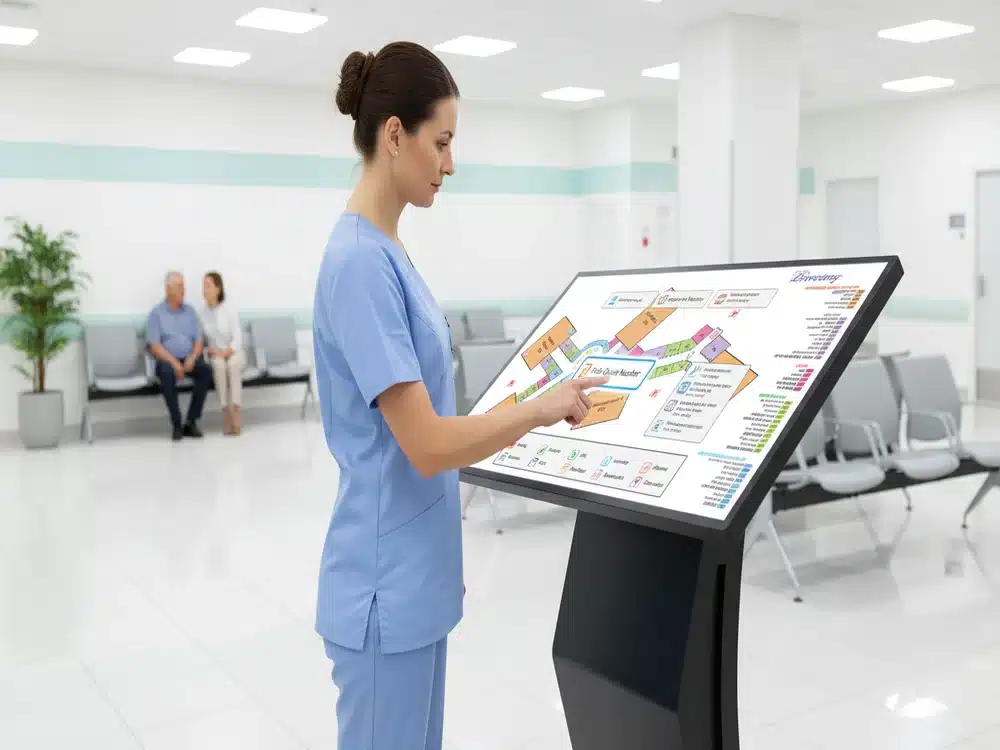
How Horizontal Kiosks Improve User Engagement
Compared to upright kiosks, the Horizontal Kiosk offers a more immersive and comfortable interaction. Here’s why:
1. Natural and Familiar Design
The table-like format encourages exploration. Users feel more at ease interacting with a screen that mimics their everyday use of smartphones or tablets.
2. Great for Collaborative Use
Multiple people can stand around the kiosk, making it ideal for exhibitions, property galleries, retail outlets, and learning environments.
3. Larger Workspace for Content Display
Horizontal kiosks typically offer more screen space, allowing for rich visual presentations—product models, maps, documents, or multimedia content.
4. Multi-Touch Functionality
They support multi-touch gestures, enabling pinch, zoom, drag, rotate, and more—improving interactivity for digital catalogs and information systems.
5. Accessibility Friendly
The lower height and angle are suitable for children, elderly users, and wheelchair accessibility.
Where Interactive Kiosks Are Used
Interactive kiosks are versatile and widely used in many industries, including:
-
Retail: For product lookup, promotions, loyalty registrations, self-checkout
-
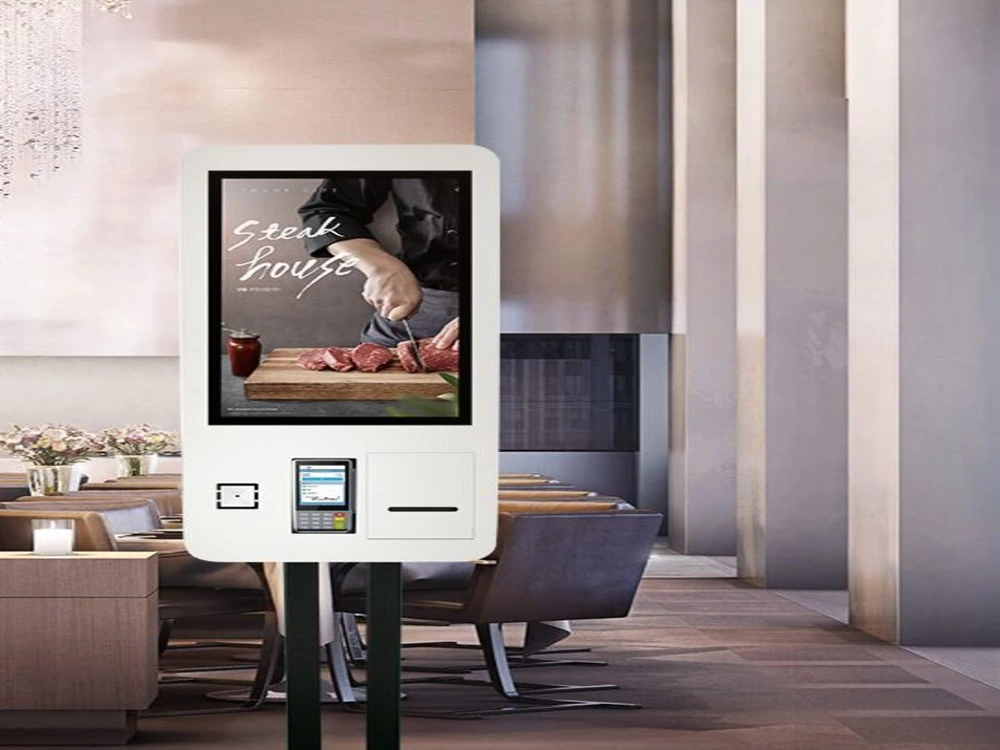
F&B Restaurants: Self-ordering, payment, queue number printing
-
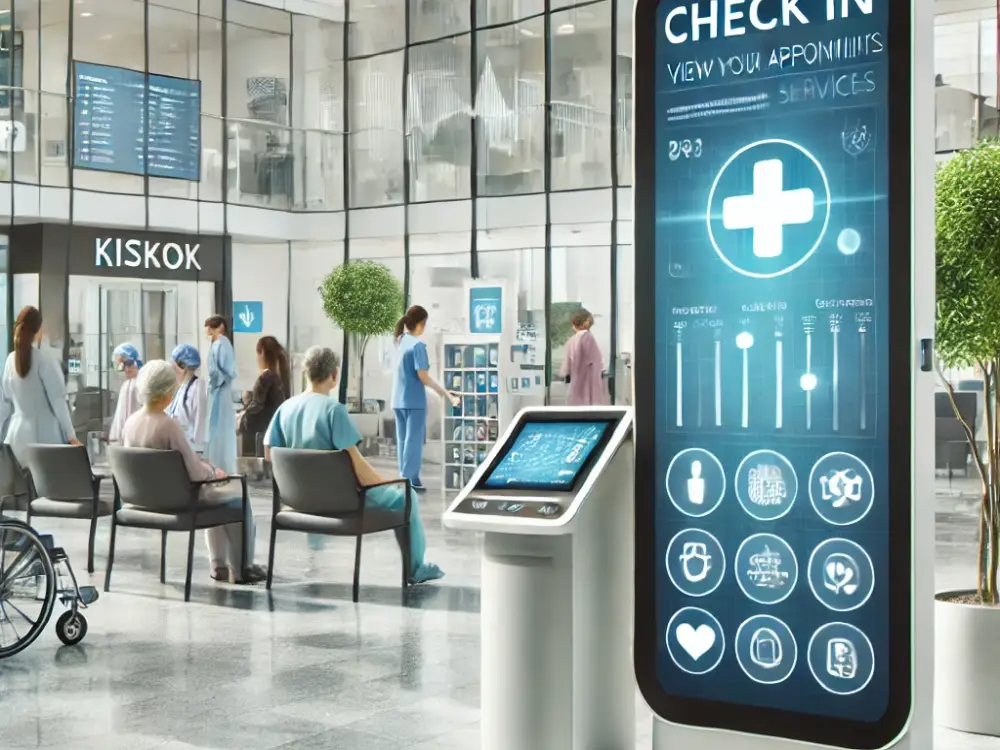
Hospitals & Clinics: Patient registration, appointment check-in
-
Government Offices: Token issuance, information counters
-
Tourism & Hospitality: Wayfinding, hotel check-in, tourist information
-
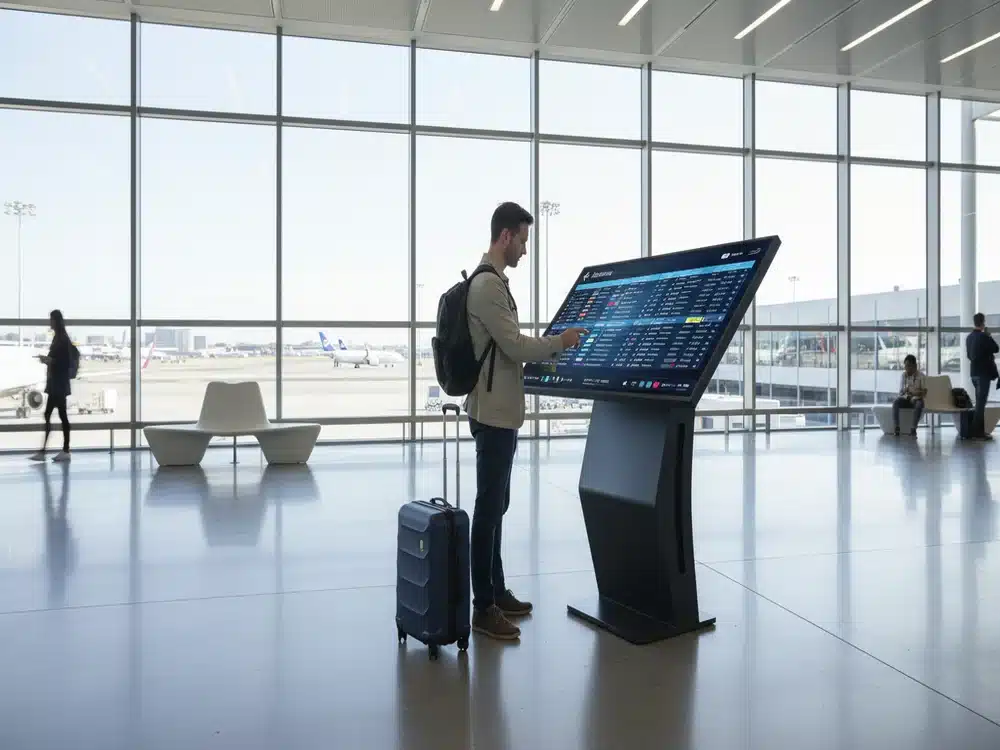
Transportation: Ticketing, boarding pass printing, schedule display
-
Education: Digital directories, school administration systems
-
Corporate Offices: Visitor management, meeting room booking
The Horizontal Kiosk variant is particularly popular in real estate showrooms, museums, exhibitions, and interactive display environments.
Key Features of an Interactive Kiosk
When choosing an Interactive or Horizontal Kiosk, look for:
-
10-point or 20-point multi-touch
-
Durable tempered glass
-
High-brightness display (for public areas)
-
Build-in PC or Android system
-
Card reader / QR scanner / printer integration
-
Secure metal casing
-
Remote management system
-
Internet and cloud connectivity
These features ensure the kiosk is reliable, secure, and optimised for various applications.
Conclusion
The Interactive Kiosk, especially the Horizontal Kiosk, is rapidly transforming how businesses deliver services and engage customers. By offering automation, self-service convenience, and improved user experiences, kiosks effectively bridge the gap between physical and digital interaction. As organisations continue to evolve, adopting interactive kiosk technology becomes an essential step toward enhancing efficiency, elevating customer satisfaction, and embracing future-ready digital solutions.