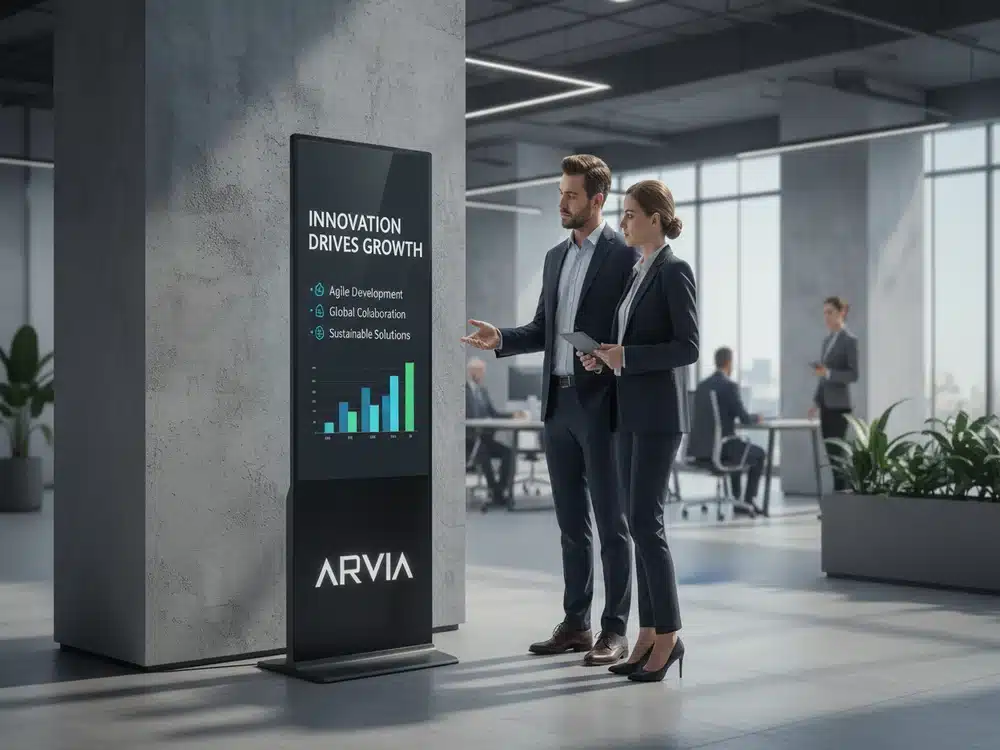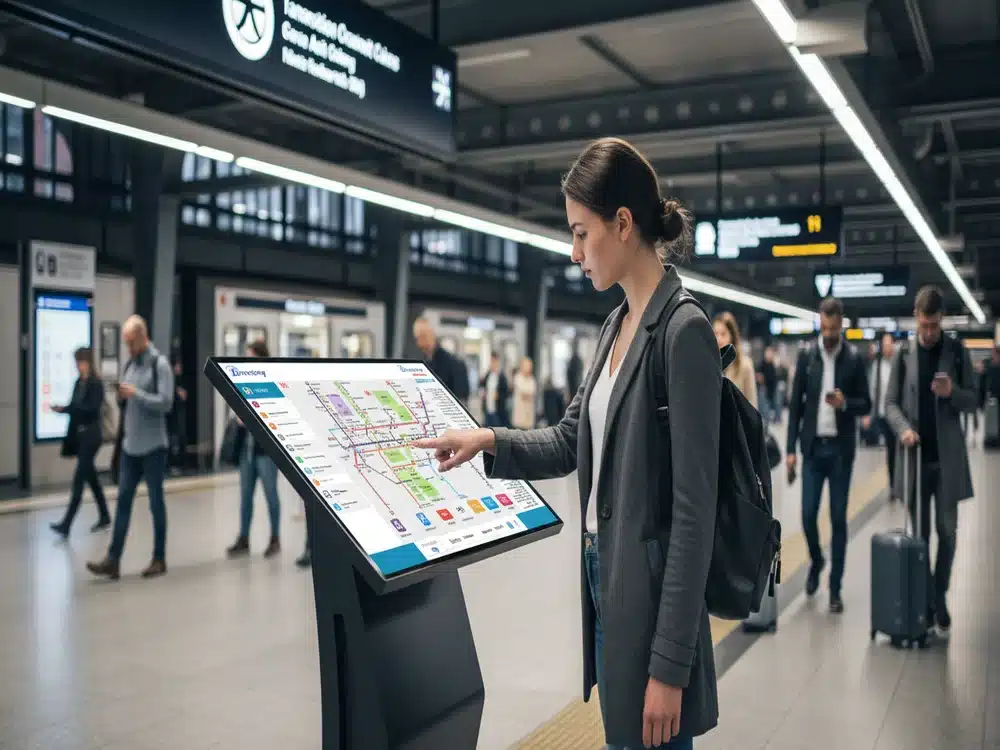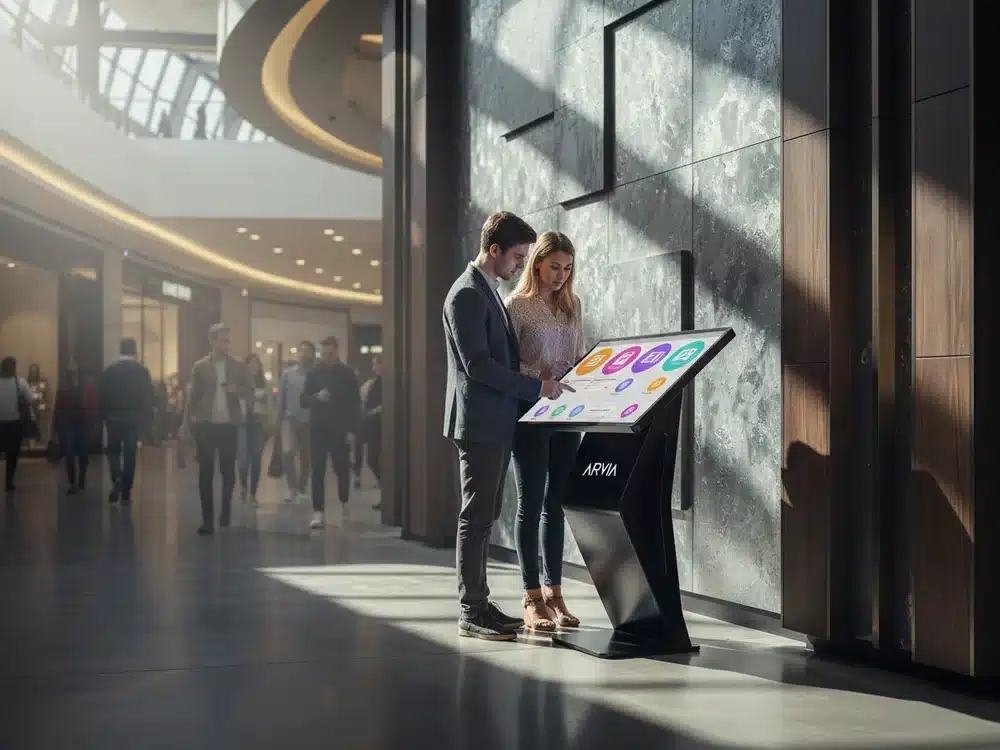

As digital transformation accelerates across industries, organizations are increasingly adopting self-service technologies to improve efficiency and user experience. One solution that continues to gain popularity is the Interactive Kiosk, particularly the Horizontal Kiosk format. Designed for intuitive interaction and accessibility, horizontal kiosks provide a modern, user-friendly platform for information sharing, transactions, and digital engagement.
From retail and hospitality to government offices and smart cities, interactive kiosks are redefining how users interact with services in public and private spaces.
What Is an Interactive Horizontal Kiosk?
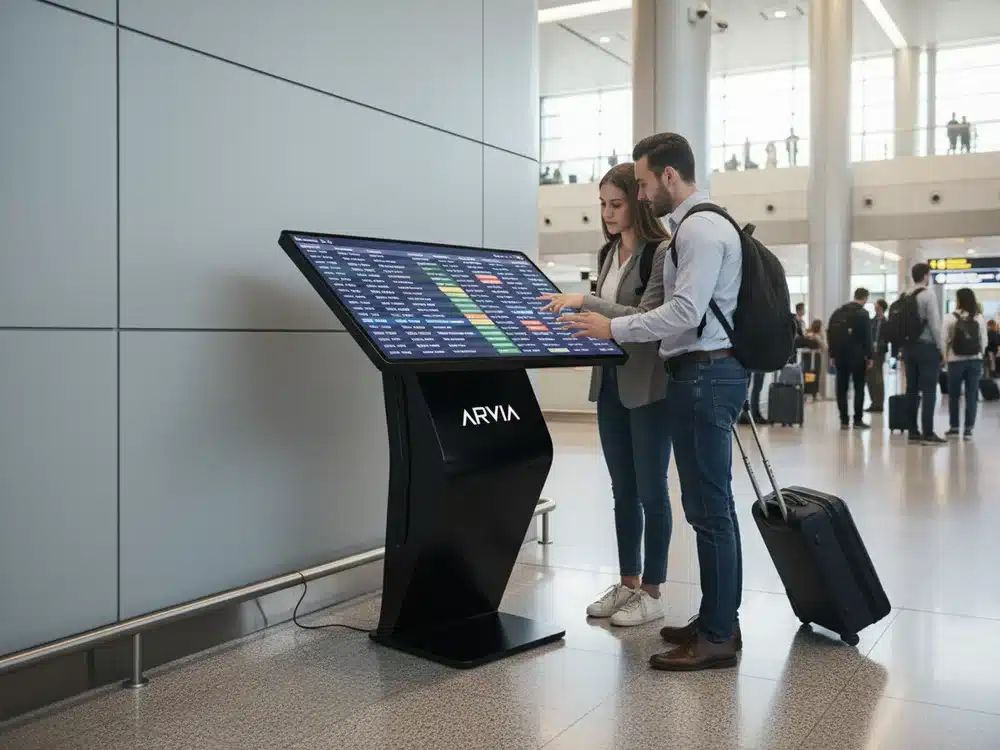
An Interactive Horizontal Kiosk is a touch-enabled digital display positioned in a horizontal or table-style layout. Unlike traditional vertical kiosks, horizontal kiosks allow users to interact more naturally—similar to using a tablet placed on a desk or counter. This design is especially suitable for collaborative use, guided assistance, and prolonged interaction.
These kiosks typically feature high-resolution displays, durable tempered glass, and responsive multi-touch technology, making them ideal for high-traffic environments.
Why Choose a Horizontal Kiosk Design?
The horizontal orientation offers several advantages. First, it promotes ease of use, especially for first-time users, children, elderly individuals, and users with accessibility needs. The viewing angle is comfortable, reducing strain and encouraging longer engagement.
Second, horizontal kiosks support multi-user interaction. In settings such as exhibitions, museums, and sales galleries, multiple users can gather around the kiosk to explore content together. This makes it an excellent tool for presentations, wayfinding, and interactive demonstrations.
Applications Across Multiple Industries
Interactive Horizontal Kiosks are highly versatile and can be customized for various industries:
-
Retail & Shopping Malls
Horizontal kiosks allow customers to browse catalogs, search for store directories, check promotions, and place orders independently. -
Government & Public Services
Government agencies use interactive kiosks to provide digital forms, queue systems, service directories, and information access, reducing counter congestion and wait times. -
Hospitality & Tourism
Hotels, airports, and visitor centers deploy horizontal kiosks for self check-in, digital concierge services, maps, and local attraction guides. -
Education & Museums
Interactive kiosks enhance learning through multimedia content, interactive maps, quizzes, and exhibits, making information more engaging and memorable.
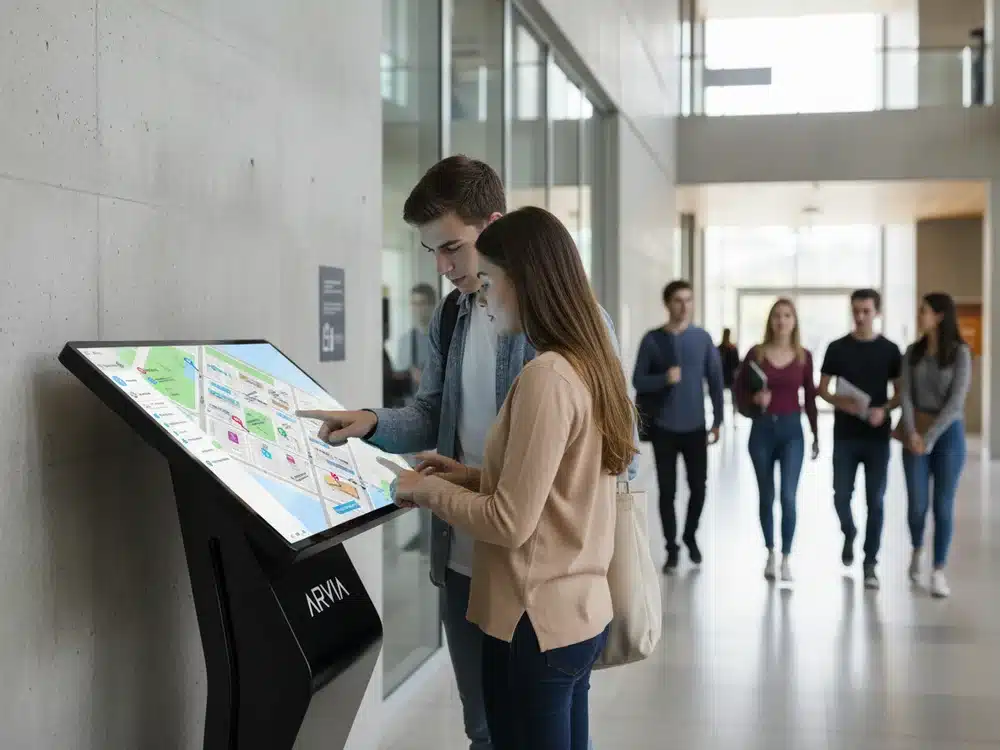
Key Features of an Interactive Horizontal Kiosk
Modern Interactive Kiosks are designed as all-in-one solutions. They typically include a large Full HD or 4K display, industrial-grade touch panels, and robust hardware for continuous operation. Many kiosks run on Android or Windows platforms, allowing seamless integration with custom software and third-party applications.
Additional features may include built-in speakers, cameras, NFC or QR code scanners, and internet connectivity. These features enable advanced functions such as digital payments, user authentication, data collection, and content updates in real time.
Improving Operational Efficiency and User Experience
One of the main benefits of deploying an Interactive Horizontal Kiosk is operational efficiency. By automating routine interactions, organizations can reduce staff workload and focus on higher-value tasks. Users benefit from faster service, consistent information delivery, and greater control over their experience.
Horizontal kiosks also support data analytics, allowing organizations to track user behavior, popular content, and service usage. This data can be used to improve services, optimize layouts, and make informed business decisions.
Supporting Smart Environments and Digital Transformation
Interactive Kiosks play a vital role in smart offices, smart cities, and digital-first environments. They act as centralized information hubs that connect users with digital services, announcements, and real-time updates.
With cloud-based content management, organizations can update kiosk content remotely, ensuring accuracy and relevance at all times. This flexibility makes interactive kiosks a scalable and future-ready solution.
Conclusion
The Interactive Horizontal Kiosk is more than just a digital display—it is a powerful engagement tool that enhances accessibility, efficiency, and user satisfaction. Its intuitive design, versatile applications, and smart features make it an ideal solution for organizations seeking to modernize service delivery and improve user interaction.
As demand for self-service and digital engagement continues to grow, Interactive Horizontal Kiosks stand out as a practical and impactful investment for the future.