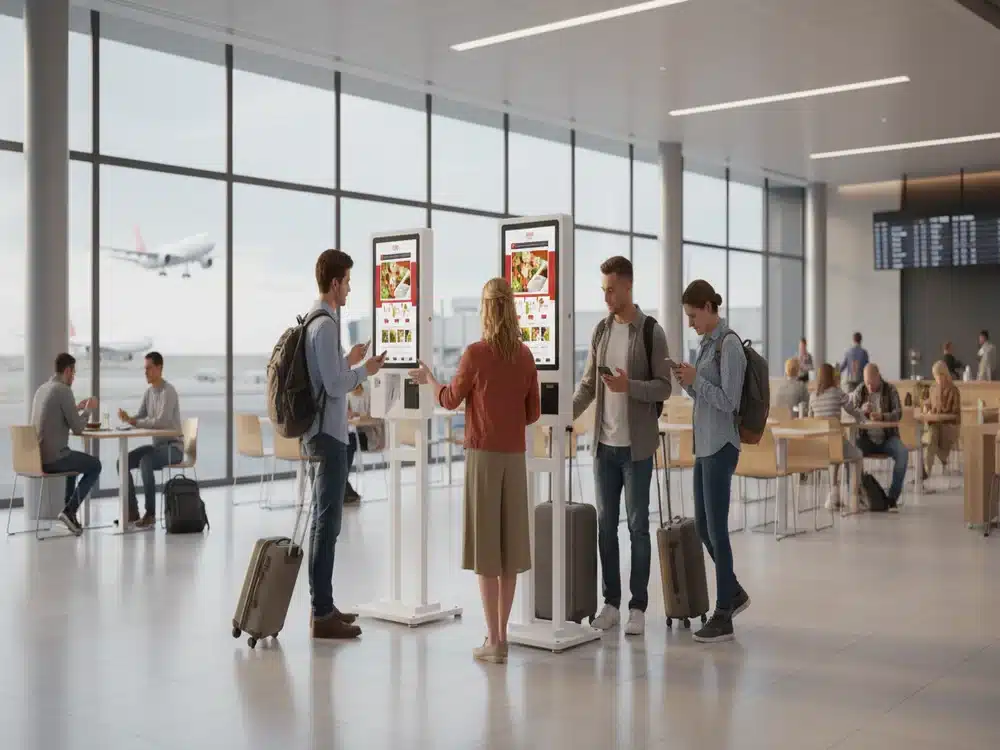

In a world where speed, convenience, and automation are becoming essential, businesses are increasingly adopting Interactive Kiosks, also known as Self-Service Kiosks, to improve customer experience and streamline daily operations. These kiosks are no longer just simple touch screens—they are powerful, intelligent systems capable of handling transactions, providing information, managing queues, and enhancing brand engagement across multiple industries.
From retail checkouts to hospital registration counters, self-service kiosks have become a reliable tool in supporting digital transformation. Their ability to operate 24/7, handle high traffic, and reduce manpower costs makes them one of the most effective technology investments for modern organisations.
What Is an Interactive Self-Service Kiosk?
An Interactive Kiosk is a standalone digital system equipped with a touchscreen interface that allows users to perform tasks independently without relying on staff. These tasks can include checking in, making payments, printing tickets, browsing catalogs, collecting queue numbers, and more.
With smart software, sensors, and cloud integration, modern Self-Service Kiosks are capable of automating entire processes efficiently while providing a user-friendly and engaging digital experience.
Why Businesses Are Adopting Self-Service Kiosk Technology
1. Faster Service & Shorter Queues
Customers demand speed. Self-service kiosks significantly reduce waiting times by allowing visitors to complete tasks instantly. Whether it’s ordering food, registering for an appointment, or checking product stock, kiosks enable fast, independent access.
2. Reduced Manpower & Operational Costs
Kiosks can automate repetitive, high-volume tasks—freeing staff to focus on customer support, sales, and back-end operations. This helps organisations optimise manpower, especially in sectors facing labour shortages.
3. Improved Accuracy & Efficiency
Every transaction is recorded digitally, reducing human error. From order selection to payment processing, kiosks ensure accuracy, consistency, and smooth workflow.
4. 24/7 Availability
Unlike human staff, kiosks can operate continuously. This makes them ideal for airports, hospitals, universities, malls, and factories that require round-the-clock service.
5. Enhanced Customer Satisfaction
Users appreciate self-service options because they are quick, convenient, and provide privacy—especially for tasks like bill payments or information searches.
Key Features of Interactive Self-Service Kiosks
Touchscreen Interface
Modern kiosks use responsive HD or 4K touch displays that make navigation intuitive. Users can scroll, tap, zoom, and interact with content effortlessly.
Multiple Hardware Integrations
Self-Service Kiosks can be equipped with:
-
QR code scanners
-
Receipt or ticket printers
-
NFC & RFID readers
-
Bill acceptors & cash recyclers
-
Card payment terminals
-
Cameras for face recognition
-
Thermal printers
-
Barcode scanners
These help kiosks support various industries and applications.
Cloud-Based Content & Data Management
With remote content management systems (CMS), businesses can update banners, menus, or information instantly—without physically accessing each kiosk.
Secure Payment Processing
For retail and F&B kiosks, integration with e-wallets, credit cards, and contactless payment ensures secure and smooth transactions.
Customisable Software Interface
Businesses can customise the UI, branding, flow, and menu to match their corporate identity and operational needs.
Popular Applications of Self-Service Kiosks
1. Retail & Shopping Malls
-
Product search
-
Price checkers
-
Wayfinding
-
Loyalty program registrations
-
Self-checkout kiosks
Retailers use kiosks to enhance customer journey and improve store productivity.
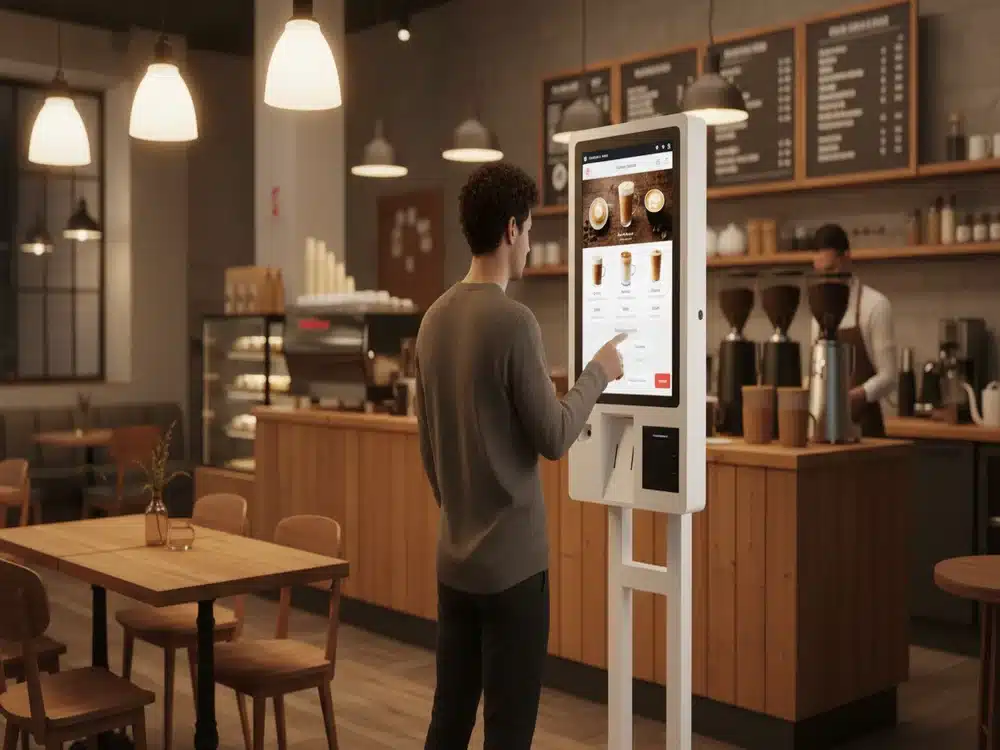
2. Food & Beverage
Self-ordering kiosks have become mainstream in restaurants, enabling customers to:
-
Browse menu items
-
Customise orders
-
Make payments
-
Reduce waiting time
This improves accuracy and overall dining experience.
3. Healthcare & Hospitals
Kiosks help reduce congestion by offering:
-
Patient check-in
-
Appointment registration
-
Queue management
-
Bill payment
-
Medical record retrieval
Hospitals enjoy smoother operations and improved patient flow.
4. Government & Public Services
Interactive kiosks are widely used for:
-
JPJ renewals
-
Bill payments
-
Permit applications
-
Information lookup
-
Digital form submissions
They help increase service accessibility for the public.
5. Corporate Workplaces & Factories
Companies use kiosks for:
-
Visitor registration
-
Staff attendance
-
Safety induction videos
-
QR scanning
-
Access control
This automates routine processes and strengthens security.

Benefits for Businesses Across All Industries
Boosts Efficiency
Kiosks automate repetitive tasks, allowing staff to focus on higher-value duties.
Enhances Customer Engagement
Interactive displays attract attention and encourage users to explore services.
Increases Revenue Opportunities
Upselling and promotions can be displayed dynamically on kiosk screens.
Supports Digital Transformation
Self-service kiosks help organisations modernise and move toward smarter, more efficient operations.
Conclusion
Interactive Self-Service Kiosks are no longer optional—they are a strategic necessity for organisations looking to improve customer satisfaction, reduce operational costs, and keep up with digital expectations. With their intuitive interface, smart integrations, and ability to streamline high-traffic processes, these kiosks provide a transformative solution across retail, F&B, healthcare, government, and corporate sectors.
As businesses continue adopting digital-first strategies, Interactive Kiosks will remain a vital tool in shaping the future of efficient, automated, and customer-centric service delivery.