

Introduction
As organizations and institutions continue to embrace digital transformation, the need for smarter tools has become more critical than ever. One solution that stands out is the smartboard, a modern interactive display designed to improve communication, engagement, and collaboration.
Unlike traditional whiteboards or projectors, a interactive display integrates multiple functions into one device, allowing users to present, write, and interact with digital content seamlessly. From classrooms to corporate boardrooms, this technology is reshaping how people share ideas and work together.
Understanding Smartboard Technology
A smartboard is an interactive flat panel display that responds to touch input. It allows users to control applications, write notes, draw diagrams, and present content directly on the screen.
The system typically includes built-in software, wireless connectivity, and cloud integration, making it a complete solution for modern communication. Instead of relying on separate devices, users can perform all tasks on a single platform.
This simplicity is one of the key reasons why interactive display are gaining popularity across various industries.
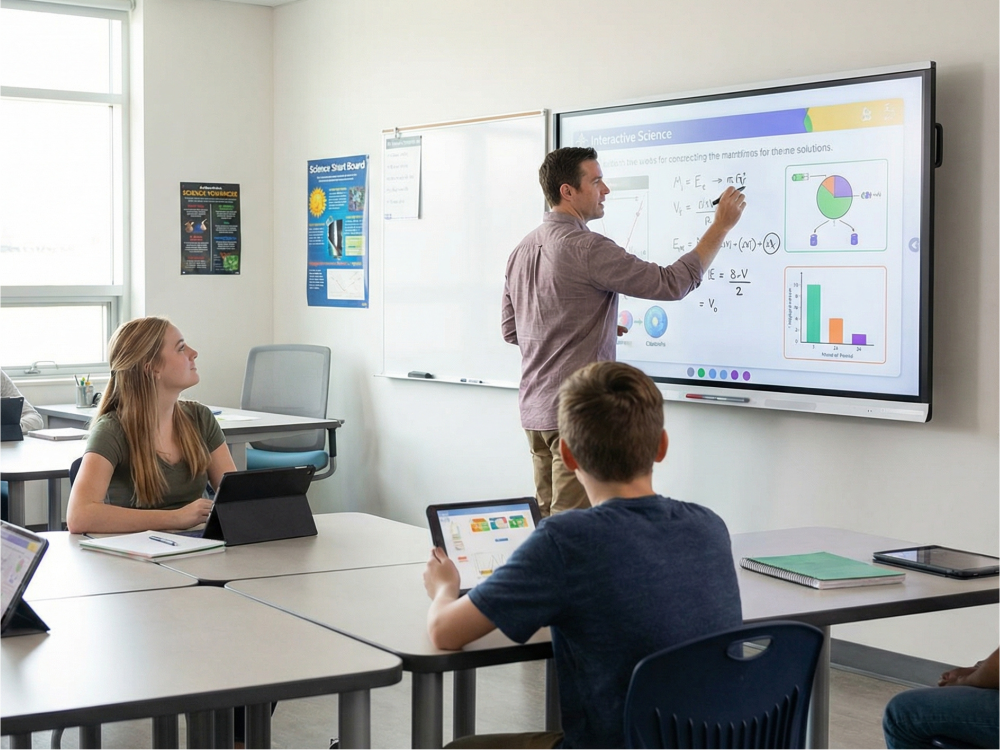
Why Smartboards Are Becoming Essential
Digital Transformation
The shift toward digital workflows has made it necessary for organizations to upgrade their tools. A smartboard provides a centralized platform for communication, reducing reliance on outdated systems.
Hybrid Work and Learning
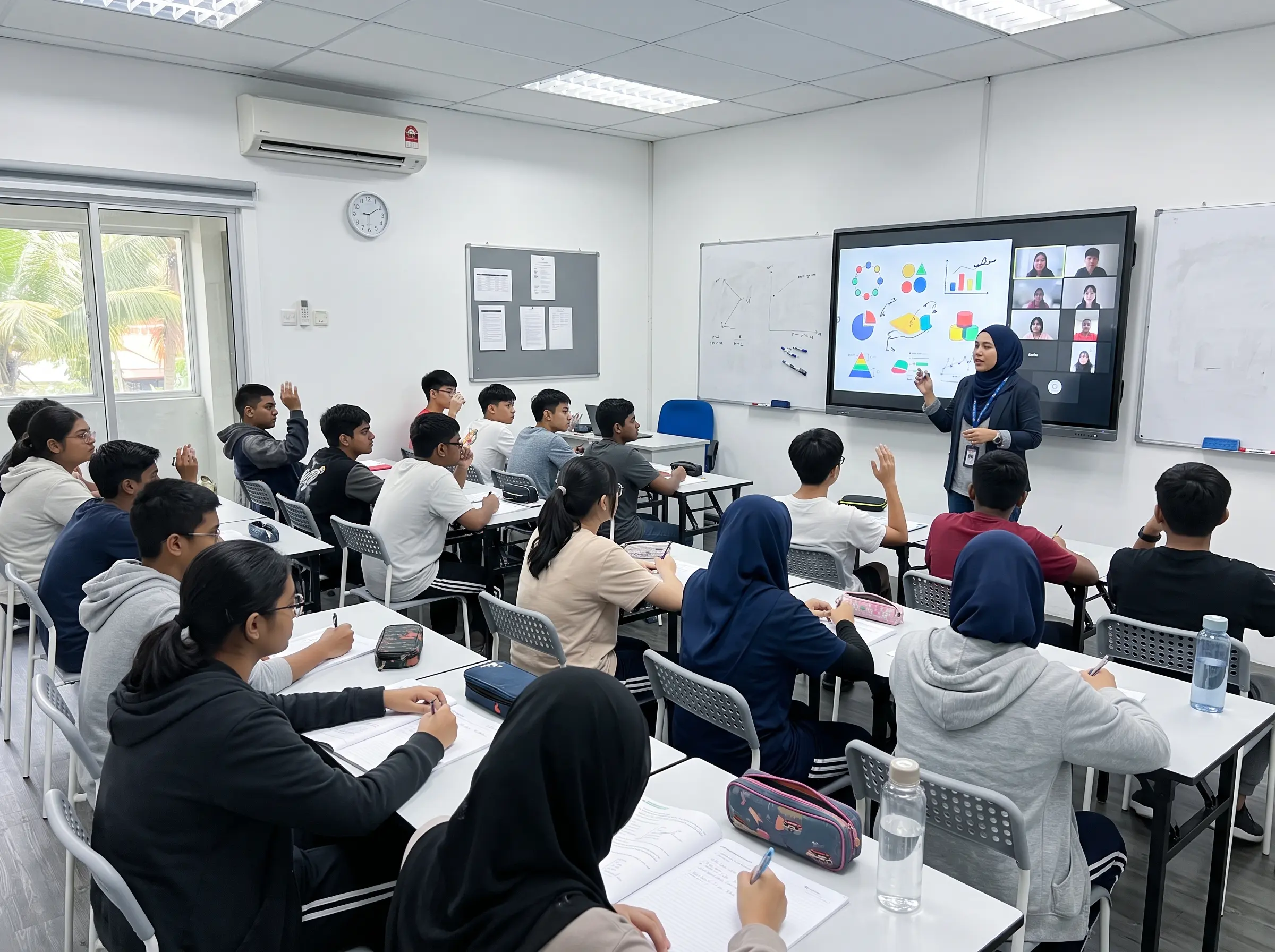
With remote work and hybrid classrooms becoming the norm, a interactive display ensures that both in-person and remote participants can collaborate effectively.
Improved Efficiency
Meetings and lessons can start instantly without technical delays. Everything is built into the system, reducing setup time.
Core Capabilities of a Smartboard
Real-Time Interaction
Users can write, annotate, and edit content directly on the screen, making communication more dynamic.
Wireless Connectivity
Presentations can be shared from multiple devices without cables, creating a seamless experience.
Multi-User Collaboration
Several users can interact with the board at the same time, encouraging teamwork and engagement.
Integrated Applications
Built-in tools allow users to browse the web, open files, and use presentation software without external devices.
Cloud Access
Content can be saved and accessed anytime, ensuring that information is always available when needed.
Benefits of Smartboard in Education
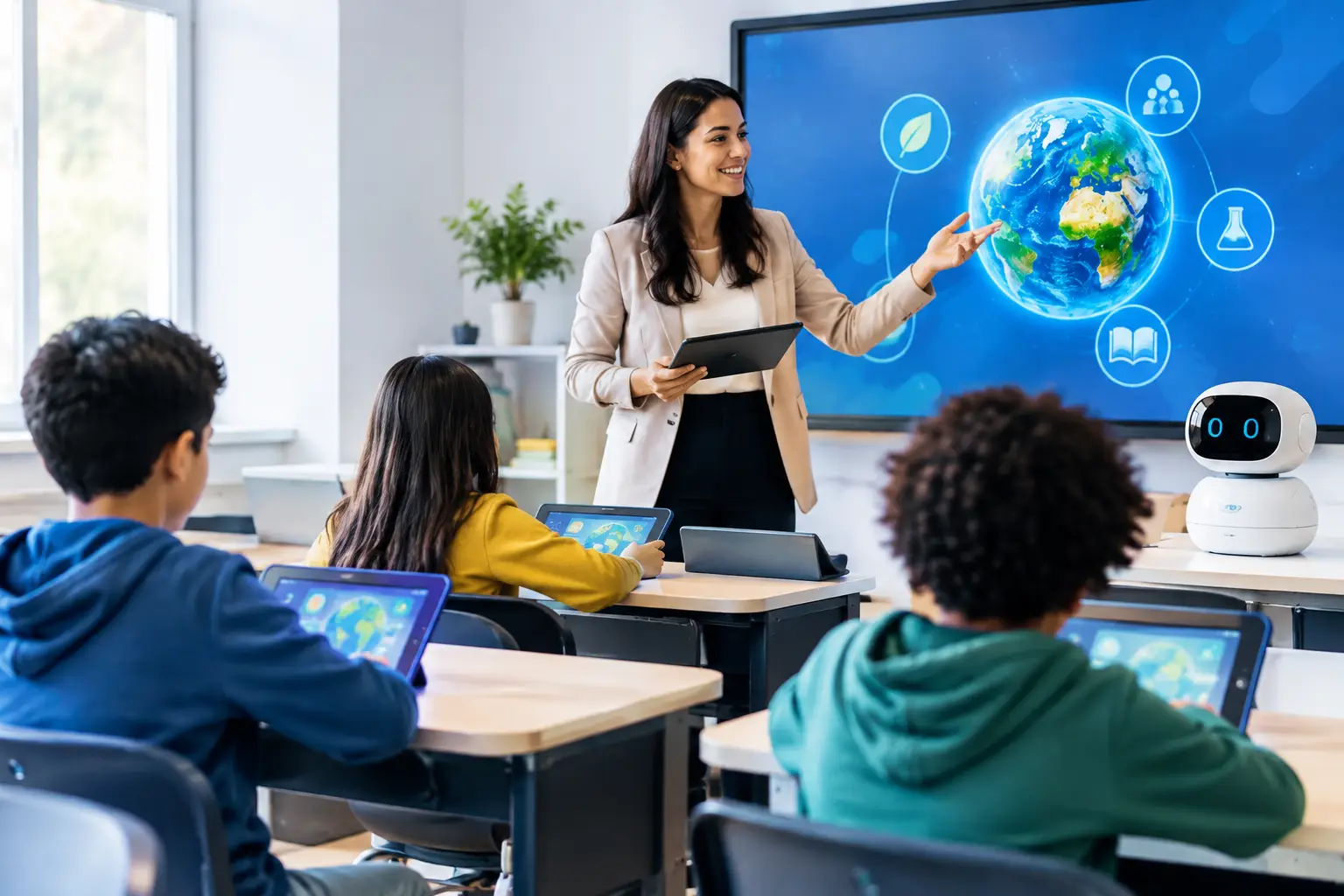
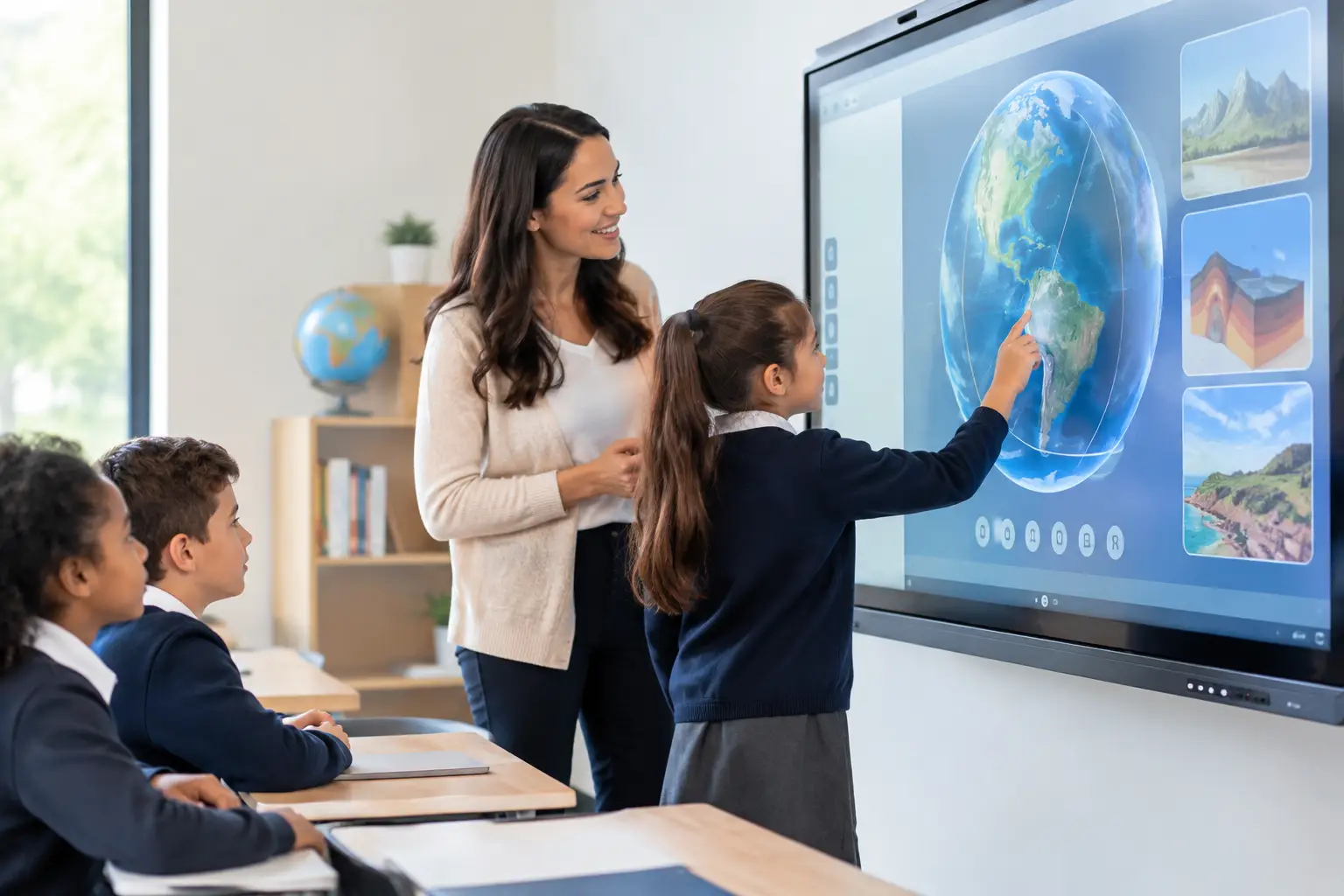
In the education sector, the smartboard plays a significant role in improving teaching methods. Teachers can create more interactive lessons using multimedia content such as videos, diagrams, and animations.
Students benefit from a more engaging learning environment where they can participate actively rather than passively receiving information. The ability to save and share notes also allows students to review lessons anytime, improving retention and understanding.
Smartboard in Corporate Environments
In business settings, a smartboard is used to enhance collaboration and streamline communication. Teams can conduct presentations, brainstorming sessions, and strategic meetings more effectively.
With support for video conferencing platforms, a interactive display allows remote participants to join discussions and interact with content in real time. This ensures that everyone stays aligned, regardless of their location.
Additionally, the professional presentation capabilities of a interactive display help businesses deliver impactful pitches to clients and stakeholders.
Smartboard vs Conventional Tools
Traditional tools such as whiteboards and projectors often require multiple devices and manual setup. They also lack interactivity and flexibility.
A smartboard simplifies everything by combining these tools into one system. Users can switch between tasks effortlessly, whether it is writing notes, presenting slides, or conducting a video call.
This makes the interactive display a more practical and efficient choice for modern environments.

Choosing the Right Smartboard
When selecting a smartboard, it is important to consider:
- Display Size – Suitable for the room and audience
- Touch Sensitivity – Smooth and accurate interaction
- Connectivity Options – Wireless casting and internet access
- Operating System – Flexibility in running applications
- Support Services – Reliable installation and maintenance
Choosing the right system ensures long-term usability and better performance.
The Future of Smartboard Technology
The future of the smartboard is closely linked to advancements in AI and cloud-based systems. interactive display are expected to become even more intelligent, offering features such as voice control, automated content suggestions, and deeper integration with digital platforms.
As more organizations adopt smart technology, the interactive display will continue to evolve and play a central role in communication and collaboration.
Conclusion
The smartboard has become an essential tool for modern classrooms and workplaces. Its ability to combine interactivity, connectivity, and efficiency makes it a powerful solution for improving communication and engagement.
Whether used in education or business, adopting a interactive display is a step toward a more productive and future-ready environment.
Call to Action
Looking to upgrade your meeting room or classroom?
Explore our smartboard solutions and experience smarter collaboration today.